
Your property’s digital curb appeal is already making first impressions while you’re still pouring your morning coffee. Long before a prospect calls your leasing office, they’ve already sized you up online. Onsite reputation management covers every digital footprint—Google, ApartmentRatings, Yelp, ILS platforms, and social media. With 97% of renters factoring online reviews into their decision, taking control of your public perception is an active leasing strategy rather than simple PR cleanup. A quick daily and weekly routine can systematically convert online feedback into tangible maintenance wins, faster leasing velocity, and stronger rent growth.
What Is Apartment Reputation Management (and Why Care Right Now)?
Reputation management is the daily operational work leasing consultants, assistant managers, and community managers do to shape how their property appears online. That means keeping listings accurate, engaging with feedback, and using review trends to fix real-world operational bottlenecks.
Think of online reviews as your digital curb appeal. Prospective renters compare ratings, review volume, and staff replies across Google, Apartments.com, Yelp, and ApartmentRatings before stepping foot on-site. Positive reviews act as third-party validation—renters trust them 11 times more than brand descriptions. Conversely, 71% of renters instantly filter out properties with poor reviews.
Industry Benchmarks You Should Know
- ORA Score: A 0–100 reputation score published monthly by J Turner Research. It aggregates ratings, volume, recency, and sentiment across 20+ review sites. Mid-70s is competitive; 80s and 90s put you in the top tier.
- ORA Power Ranking: Groups management companies into tiers so you can benchmark performance against direct local competitors.
- Leasing Velocity: Top-quartile ORA properties capture 15% more leases and higher rental rates. (For example, Asset Living boosted its ORA score by 14 points after systematizing workflows, driving a direct surge in occupancy).
- Local SEO Boost: Search engines love fresh reviews. Consistent feedback and high star ratings directly push your community to the top of Google Local Pack searches for "apartments near me."
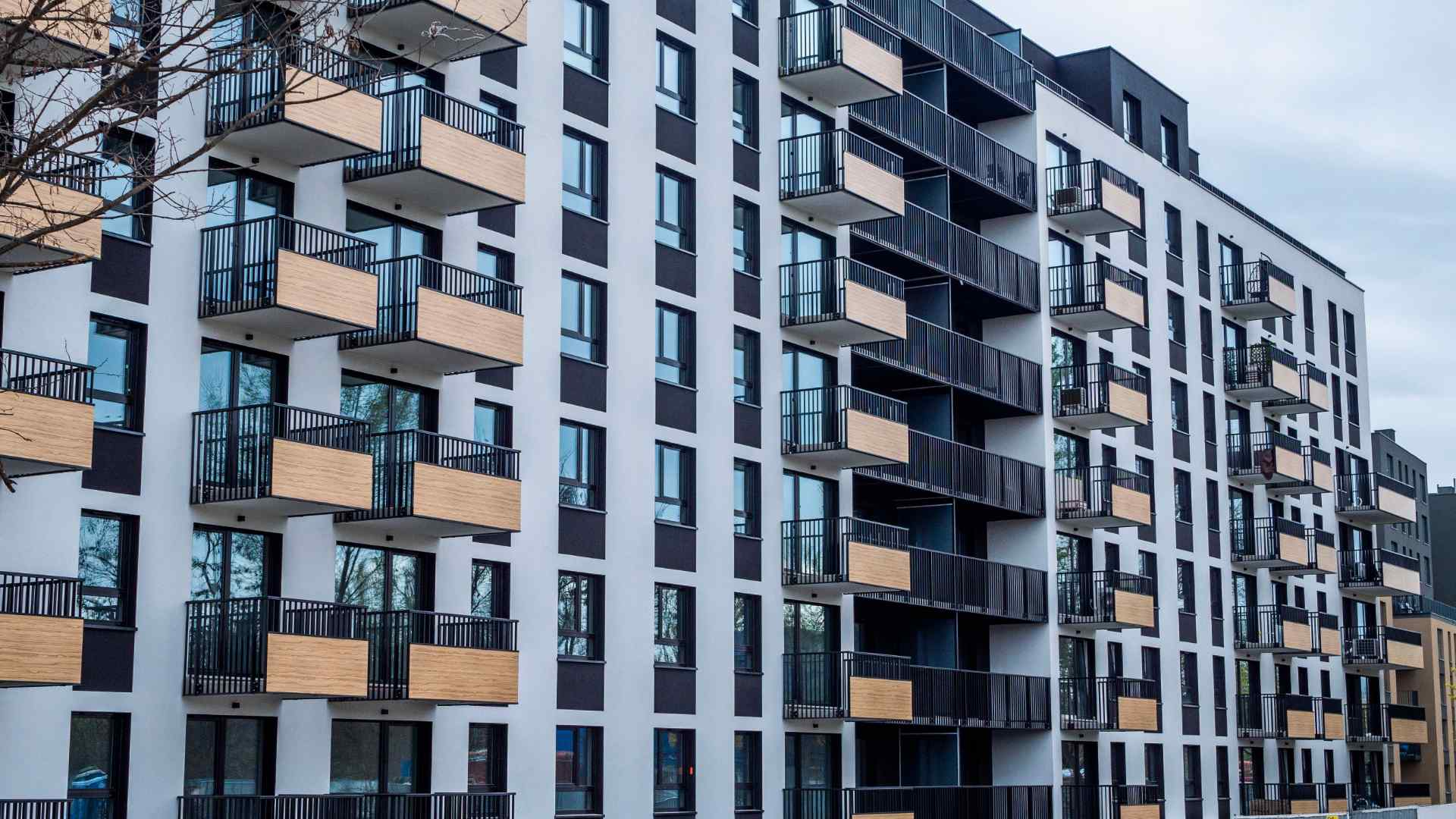
How Reviews and Metrics Shape Your Property’s Reputation
Google claims 88% of multifamily review volume, but serious renters cross-check sites like ApartmentRatings and Yelp for consistency. Over 80% of prospects research reviews before ever contacting your office.
Interestingly, a 4.4-star Google profile with quick, thoughtful staff responses usually beats a 4.7-star profile sitting on stale, unanswered feedback. Prospects want to see that someone is actually home and paying attention.
To benchmark your baseline, track these core metrics monthly:
- Total review volume by site
- 12-month average rating trends
- Response rates and average turnaround time
- Local competitor ORA scores within a 3-mile radius
The Onsite Daily & Weekly Routine
Reputation management works best as a 10-minute daily habit rather than an end-of-month fire drill. Using a centralized dashboard lets you manage feedback across all platforms without twenty browser tabs open.
Daily Checklist (10 Minutes)
- Scan: Check your dashboard for new reviews on Google, ApartmentRatings, Yelp, and ILS partners.
- Flag: Immediately escalate red-flag content (fair housing claims, legal threats, safety, or habitability issues) to your community manager or regional team before replying.
- Respond: Draft replies for same-day or previous-day reviews.
Weekly Rhythm
- Categorize: Group weekly feedback by theme (maintenance speed, move-in cleanliness, noise, staff communication).
- Sync: Share operational trends with your maintenance supervisor.
- Fix: Identify one small operational tweak each week based on resident feedback.
Response Standards to Live By
- Negative Reviews: Respond in under 24 hours.
- All Other Reviews: Clear within 24 to 48 hours.
- Monthly Response Rate: Keep it at 90% or higher.
- Unanswered Negatives (>3 Days Old): Zero—no exceptions.

Strategies to Proactively Elevate Your Score
Great reputations aren't built on witty replies alone—they're built on operational wins and timing your review requests strategically.
1. Strike While the Iron is Hot
Automate review invites via email and SMS right after peak positive moments: a smooth move-in, a work order completed within 24 hours, or a lease renewal. Text requests generally see higher response rates. You can freely ask all residents for unscripted, honest feedback at these touchpoints as long as you avoid offering incentives or filtering out unhappy tenants.
2. The Service Recovery Loop
Treat negative reviews as a second chance, not a loss. Reach out privately to resolve the underlying issue. If you successfully turn the experience around, invite the resident to update their review. Redstone Residential resolved 208 negative reviews through private outreach, ultimately boosting their Google reviews by 140%.
3. Master the Tone
- Positive: Personalize it. Thank them by name, reference a specific detail they mentioned, and keep the energy warm.
- Mixed: Validate the praise, take ownership of the flaw, and outline what you're doing to fix it.
- Negative: Stay calm and professional. Acknowledge the frustration, avoid defensive language, state corrective steps, and take the conversation offline (provide a direct email/phone number).
Rule of thumb: Never offer incentives for positive reviews, never gate review links, and never post fake reviews.
Beyond Google: Managing ILS & Review Sites
While Google leads in sheer volume, a property with just a single review on an ILS listing generates 47% more leads than a listing with zero reviews. Consistency across all platforms matters.
Quarterly Listing Audit Checklist
- NAP Consistency: Ensure Name, Address, and Phone numbers match perfectly across every platform.
- Visuals & Pricing: Confirm photography, current pricing, and amenity lists are accurate.
- Duplicate Cleanup: Search for and merge duplicate or outdated community listings.
- Syndication Checks: If your corporate team uses syndication software, verify that source data is clean so incorrect fees or old photos don’t feed out to dozens of ILS sites.
Executing on this playbook requires close coordination between corporate strategy and the onsite ground game. While corporate marketing teams select the reputation management software, set high-level goals, and track portfolio-wide ORA scores, onsite teams bring that strategy to life by posting authentic replies, fixing operational blind spots, and resolving resident complaints in real time. Building a 24-to-48-hour response habit into your daily office routine prevents backlogs, improves local search visibility, and directly fuels long-term occupancy.
-1920x1080.jpg)

-1920x1080.jpg)