A clean apartment doesn't require a professional-grade arsenal or an entire weekend. Here's a practical room-by-room approach, plus a schedule that keeps it from piling up again.
Gather Essential Supplies
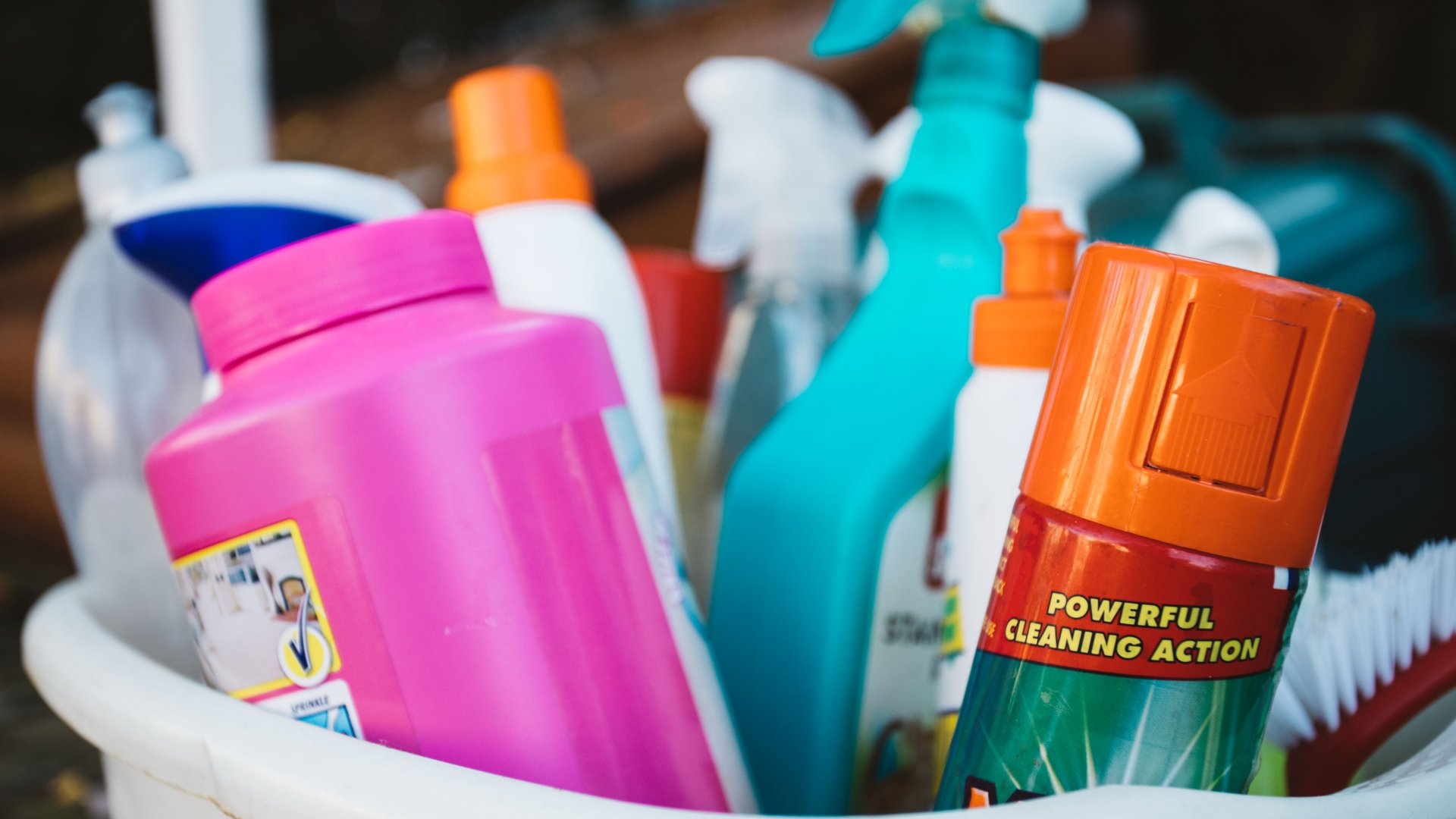
You really only need a handful of things: an all-purpose cleaner, microfiber cloths, a vacuum (with attachments for tight corners and light fixtures), and a caddy to carry everything room to room so you're not backtracking for something you left behind.
A safety note worth keeping in mind throughout: never mix bleach with vinegar or ammonia-based cleaners. The combination produces toxic chlorine gas. If you use a bleach-based cleaner in one step of a cleaning routine, rinse thoroughly before switching to a vinegar-based one.
Declutter and Organize
Clear the clutter before you clean — it's much easier to wipe down a counter or vacuum a floor when you're not working around piles of stuff. Start with high-traffic spots: the entryway, kitchen counters, nightstands, bathroom counters. Keep trash bags handy so disposal is a one-step process rather than a pile you have to deal with later.
Sort into categories as you go (keep, donate, toss) rather than just shuffling things around. For sentimental items you're on the fence about, ask whether you actually want it or just feel obligated to keep it because it was a gift — a photo of the item, or passing it to a family member who'd actually use it, can resolve that tension without you having to keep it in a drawer forever.
Use vertical storage to make the most of a small space: wall-mounted or floating shelves, wicker baskets, hooks by the door for coats and bags, and a shoe rack near the entry. None of this needs to be expensive to be effective.
Tackle the Kitchen
Focus on high-touch surfaces: counters, the fridge door and handles, cabinet pulls, the microwave door, light switches, and the faucet. Soapy water, an all-purpose cleaner, or disinfectant wipes handle most of this. For the sink, a paste of baking soda and water followed by a rinse cuts through buildup effectively. Clean the fridge interior with plain soap and water rather than harsher chemicals, since it's in direct contact with food.
Wiping these surfaces down daily is plenty for a typical apartment — you don't need to disinfect multiple times a day unless someone in the household is sick.
For sticky spots and stains on countertops or cooktops, a 1:1 mix of vinegar and water in a spray bottle softens residue well enough to wipe away. Rubbing alcohol also works on many sticky residues.
Refresh the Bedroom
Making the bed each morning takes under a minute and does more for how "put together" a room looks than almost anything else in it. If you're setting a bed up from scratch (mattress protector, fitted sheet, a duvet or comforter, throw pillows), get that layered system in place once, and then it's just pulling everything up and smoothing it out each day after that.
Wash your sheets weekly — that's the standard most sleep researchers and dermatologists recommend, since a week is roughly how long it takes for sweat, skin cells, and dust mites to build up meaningfully. You can stretch to every 10-14 days if you shower before bed, use a top sheet, and don't share the bed with pets, but weekly is the safer default.
For laundry generally: wash similar colors together, turn clothes inside out to reduce fading, avoid overstuffing the machine, and use cold water where the fabric allows — it's gentler on colors and uses less energy per load.
Conquer the Bathroom
A toilet bowl cleaner and brush handle the bulk of it: wipe the exterior with a damp cloth first, clean the tank and base, then finish with the bowl and under the rim last (since it's the dirtiest part). Rinse the brush in the flush water afterward.
For mirrors and glass, a dedicated glass cleaner or a simple vinegar-and-water mix both work well — apply to the cloth rather than spraying directly onto the glass, so moisture doesn't seep into the edges or frame.
Maintain Floors and Carpets
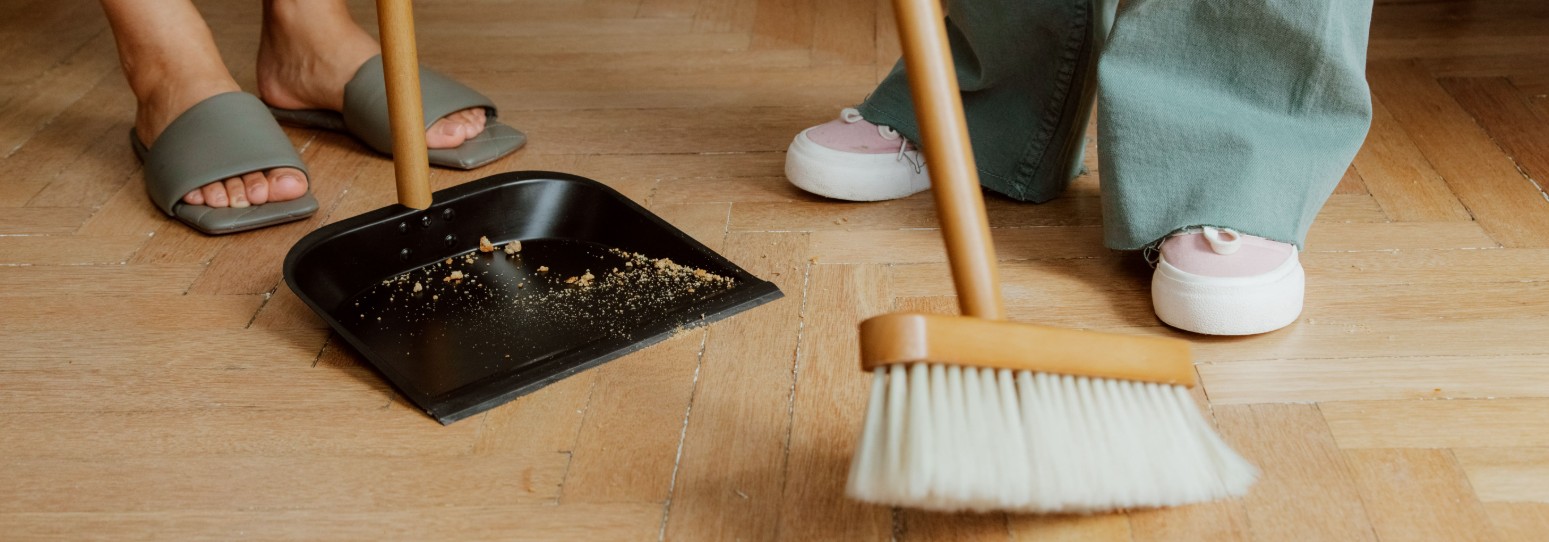
For hardwood, regular sweeping prevents grit from scratching the finish over time, and furniture pads under chair and table legs prevent dents and scuffs. A gentle, hardwood-specific cleaner works better than an all-purpose one, which can dull the finish over repeated use.
For carpet stains, a homemade mix of equal parts water and vinegar with a little dish soap handles a lot of everyday spots. For a full carpet clean, a rented or owned carpet shampooer works well — pre-treat heavily soiled areas first, then follow the machine's instructions for the rest.
Build a Cleaning Schedule
Treat cleaning as an ongoing habit rather than an occasional big push — it's genuinely less work in total that way.
Daily (about 15-20 minutes): wipe down counters, a quick sweep or vacuum of high-traffic areas, take out the trash.
Weekly: a more thorough vacuum and mop, bathroom and kitchen deep-clean, laundry, and addressing anything that's built up since the last pass.
Staying on top of the daily basics makes the weekly deep clean faster, since you're touching up rather than starting from scratch every time.
Before cleaning, gather essential supplies like an all-purpose cleaner, microfiber cloths, a vacuum, and a caddy to keep everything organized. Declutter and sort items into categories first, then use effective storage solutions to maintain cleanliness and organization in your space. Establish a cleaning schedule with daily tasks for ongoing tidiness and a weekly deep clean to keep your apartment consistently fresh and inviting.