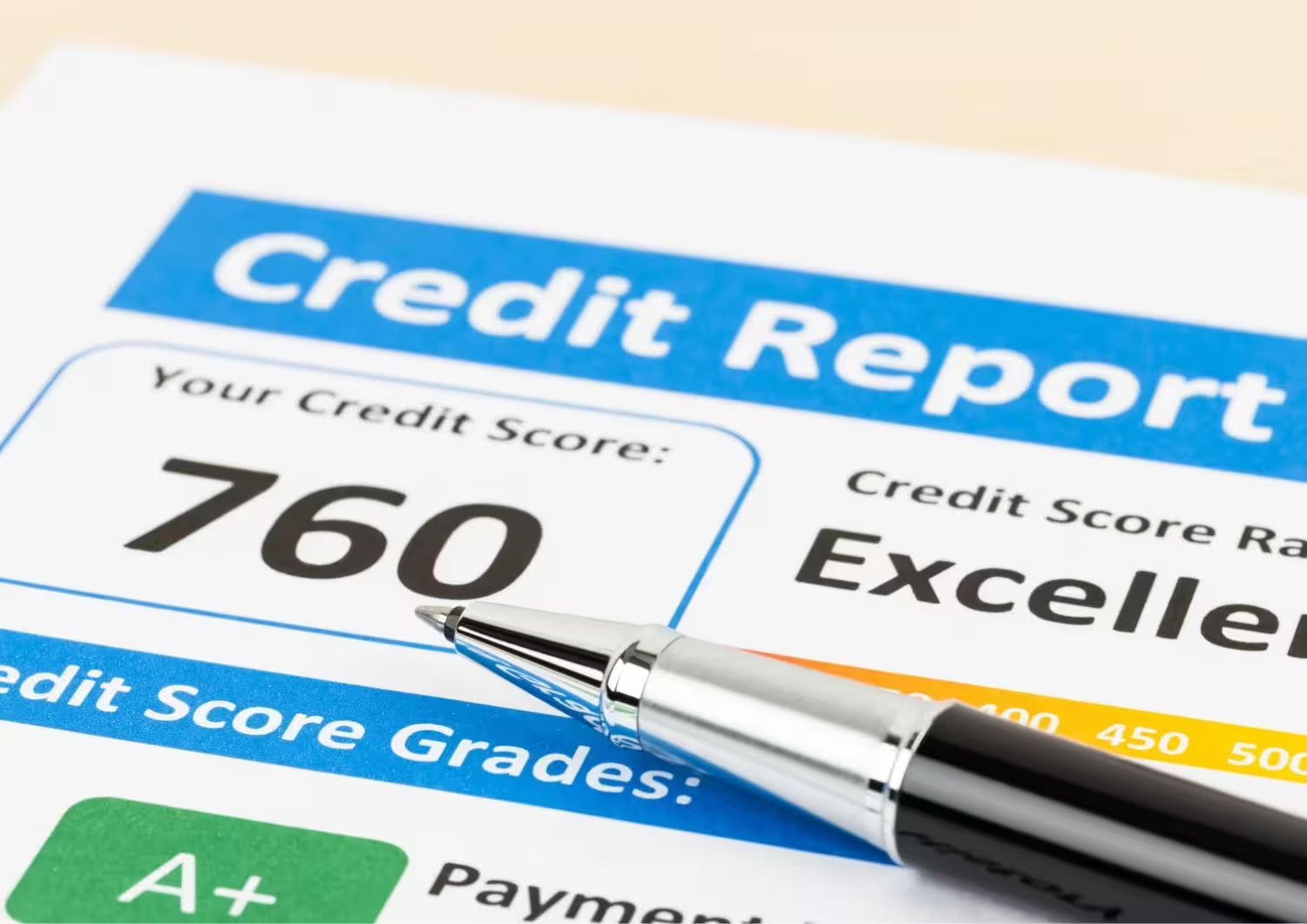
What Are the Benefits of Having a Good Credit Score?
A good credit score isn't just a number, it's what opens doors across your financial life, from loan approvals to rental applications. Here's what a strong score actually gets you, and how to keep tabs on where you stand.
What Does a Good Credit Score Get You?
- Lower interest rates on credit cards and loans, which means smaller monthly payments and less paid in interest over time
- Better approval odds on credit cards, loans, and other financial products, since a higher score signals lower risk to lenders
- More negotiating power when discussing rates or terms with a lender
- Higher credit limits and more favorable loan terms overall
- Easier rental approval, since many landlords review credit as part of tenant screening
- Lower insurance premiums in some cases, since certain insurers factor credit history into how they price policies
- Waived or reduced security deposits from some utility providers
- A better impression with some employers, particularly for finance or management roles that include a credit check as part of hiring
None of these are guaranteed outcomes tied to a specific score, since lenders, landlords, and employers all weigh credit differently alongside other factors. But directionally, a stronger score consistently opens more doors than a weaker one.
How Do You Check Your Credit?
Regularly checking your credit helps you catch errors, spot potential fraud, and track your progress. A few ways to do it:
- Free annual credit reports. Under the Fair Credit Reporting Act, you're entitled to a free report from each of the three major bureaus (Equifax, Experian, TransUnion) through AnnualCreditReport.com.
- Credit monitoring services. Many offer free basic monitoring with alerts for new accounts or inquiries, and paid tiers with more comprehensive coverage.
- Free score platforms, like Credit Karma, which pulls from Equifax and TransUnion (though not Experian).
- Your credit card statement. Many issuers display a free score each month, though it may not match the exact score a lender would use.
- Banking apps. Some banks and credit unions offer free FICO score access to customers.
- The credit bureaus directly. Experian, Equifax, and TransUnion all offer free or paid access to your reports and scores through their own sites.
- Nonprofit credit counseling agencies, which can walk through your report with you and offer guidance, even though they don't provide direct report access themselves.
Checking your own credit doesn't hurt your score, no matter how often you do it.
Building Credit as a Renter
If you're a renter, your monthly rent payment can work in your favor. Homebody's credit reporting service lets your on-time rent payments count toward your credit history, turning a payment you're already making into a tool for building credit, whether you're working toward a stronger score or a future home purchase.
The Bottom Line
A good credit score compounds in your favor over time: better rates, more approvals, and more flexibility across nearly every part of your financial life. Checking your credit regularly is one of the simplest ways to stay on top of it and catch issues before they cost you.
A good credit score isn't just a number; it's a reflection of your financial responsibility. And those good habits pay off. But what ARE the real benefits of having a good credit score? We'll explain all of the perks, and show you how to increase your score so they'll be within your reach.