Want a little more green in your space without signing up for a second job? These 10 indoor plants are forgiving, apartment-friendly, and look great whether you've got a sunny window or a shady corner. We've also flagged which ones to keep away from curious pets, since a few of these popular picks are more common in "toxic plant" searches than you'd think.
1. Snake Plant: Tall, Sculptural, and Nearly Impossible to Kill
With its bold, upright leaves, the snake plant brings sculptural height to any room, and it barely asks for anything in return. It's happy in indirect light or partial shade, which makes it one of the easiest plants to place anywhere in an apartment.
Pet note: Snake plants are toxic to cats and dogs if chewed or eaten, so keep them up on a shelf or in a room pets can't access (ASPCA).
Care tips: The number one way people accidentally kill a snake plant is overwatering. Let the soil dry out completely between waterings, and make sure your pot has drainage holes. If you catch root rot early, trim off the mushy roots, let them dry, and repot in fresh, well-draining soil. It'll usually bounce right back.
2. Pothos: The Trailing Vine That Forgives Everything
Pothos, sometimes called devil's ivy for how hard it is to kill, is the go-to for a hanging basket or a high shelf where its vines can cascade down in that lush, trailing look. It tolerates everything from bright light to fairly dim corners, which is exactly why it's one of the most popular starter plants out there.
Pet note: Despite its reputation as an easy beginner plant, pothos is toxic to cats and dogs and can cause mouth and throat irritation if chewed (ASPCA).
Care tips: A regular trim keeps pothos full instead of leggy, snip the vines back whenever they get longer than you'd like. Want it to climb instead of trail? Give it a moss pole. And during the growing season, a nitrogen-rich fertilizer or liquid seaweed feed will reward you with bigger, fuller leaves.
3. Peace Lily: Elegant Looks With an Air-Purifying Bonus
The peace lily earns its spot on almost every "best indoor plant" list for good reason: it's genuinely beautiful, and it helps filter common indoor air toxins like formaldehyde and trichloroethylene while it's at it.
Pet note: Peace lilies are toxic to cats and dogs, causing mouth irritation and drooling if chewed, so this one's better suited to pet-free rooms (ASPCA).
Care tips: Peace lilies like bright, indirect light, consistently moist soil, and room temps between 60–80°F. They also love humidity, so misting the leaves or setting the pot on a pebble tray filled with water helps them thrive. When picking a pot, go for a size that gives roots room to grow without being so large that the soil stays soggy.
4. Basil: Fresh Herbs Without Leaving the Kitchen
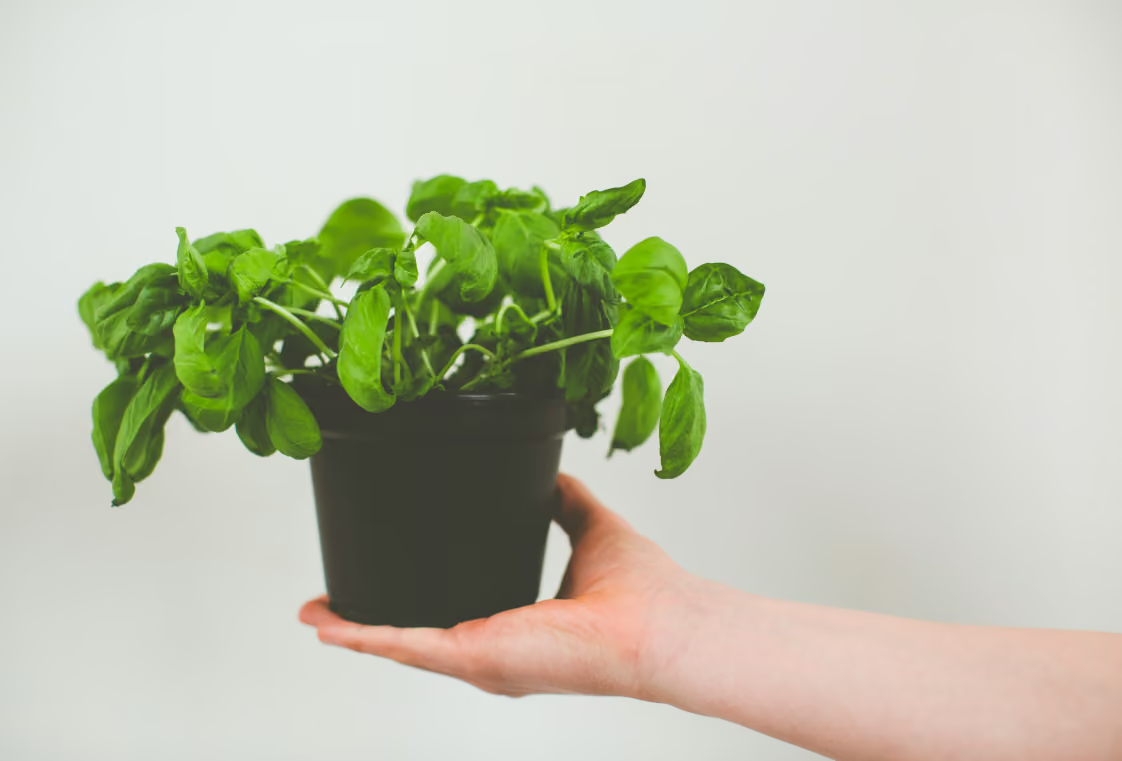
If you cook, basil might be the most rewarding plant on this list. It needs regular watering and 12–16 hours of light a day (a grow light works great if your kitchen window doesn't cut it), and you'll be harvesting fresh leaves in just 3 to 4 weeks.
Pet note: Good news here, basil is non-toxic to cats and dogs, making it one of the safer herbs to keep on a kitchen counter (ASPCA).
Care tips: Basil pairs well with tomatoes, peppers, lettuce, and oregano in a small indoor herb garden, though apartment growers should expect to work around limited space and light. To keep it bushy rather than leggy, snip 2–3 inches off the top regularly and aim to remove about a third of the leaves each month.
5. ZZ Plant: The Plant for People Who Travel Too Much to Water
The ZZ plant is basically built for busy schedules. It's a slow-growing tropical perennial that tops out around two to three feet after several years, tolerates low light, and shrugs off long stretches without water.
Pet note: The ZZ plant is toxic to cats and dogs if ingested, so it's best kept somewhere pets can't nibble on it (ASPCA).
Care tips: Keep it in average home humidity and temps between 65–85°F and mostly leave it alone. Because it tolerates low light so well, it pairs nicely with other shade-loving plants, group a few together (with a grow light if the room is especially dim) for an easy, low-fuss display.
6. Spider Plant: Playful, Pet-Friendly, and Easy to Multiply
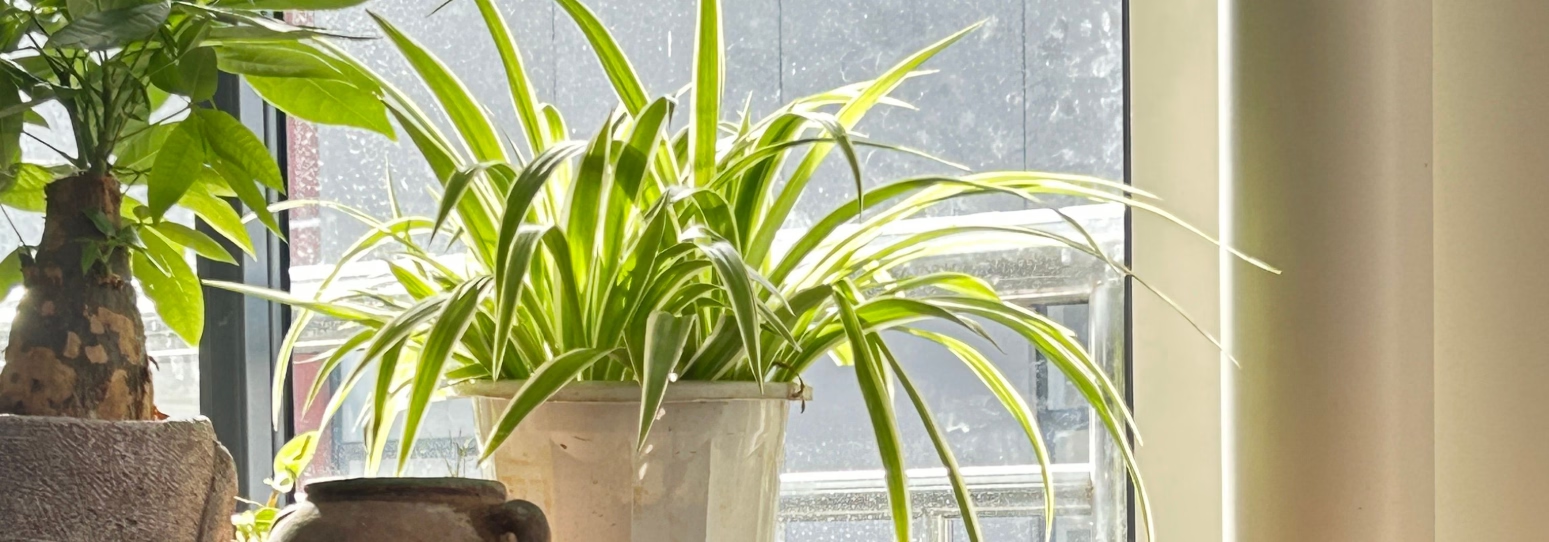
The spider plant is one of the few genuinely pet-safe options on this list, and it's just as easy to care for as it is to look at. It handles a range of indoor conditions, prefers bright, indirect light, and only needs moderate watering.
Pet note: Spider plants are non-toxic to cats and dogs, making this a solid pick for apartments with curious pets (ASPCA).
Care tips: Group a few spider plants together and let their arching leaves and baby plantlets fill out the space for a lush, jungly look. Hanging them at different heights adds depth and turns even a small apartment corner into a mini indoor jungle.
7. Aloe Vera: A First-Aid Kit That Doubles as Decor
Aloe vera earns its keep two ways: its spiky, architectural leaves add structure to a room, and its gel is a handy remedy for minor skin irritation and sunburn. Keeping a pot in the kitchen or bathroom means relief is always within reach.
Pet note: Despite its reputation as a soothing remedy for people, aloe vera is actually toxic to cats and dogs if ingested, so keep it away from pets even though it's great for your own skin (ASPCA).
Care tips: Aloe wants sun, at least six hours a day, or it'll start stretching and losing its compact shape. Plant it in a well-draining mix (equal parts sand and potting soil, or a dedicated succulent mix) so the roots never sit in water.
8. Mint: A Fragrant Herb With Endless Uses in the Kitchen
Mint brings a bright, refreshing scent to your space and an equally refreshing flavor to your cooking. It prefers cooler spots with 4–6 hours of bright light a day and works in everything from sauces and desserts to a simple garnish.
Pet note: Mint is considered toxic to cats and dogs in large quantities, with essential oils as the irritant, so it's worth keeping out of easy reach for pets that like to graze on greenery (ASPCA).
Care tips: Keep mint compact with regular pruning, snip 2–3 inches off the tops and remove about a third of the leaves each month. It'll reward you with fuller, denser growth and a steady supply for your kitchen.
9. Rubber Plant: Big, Glossy Leaves for Serious Visual Impact
If you want a plant that makes a statement, the rubber plant delivers with large, glossy leaves that catch the eye in any room. It's low-maintenance as far as dramatic plants go, needing just moderate attention, consistent watering, and bright, indirect light.
Pet note: Rubber plants are toxic to cats and dogs, and the sap can also irritate human skin, so handle broken leaves with gloves and wash your hands afterward (ASPCA).
Care tips: Those big leaves collect dust, which blocks light and dulls their shine, so wipe them down with a damp cloth every few weeks. New leaves are delicate, so handle them gently since any damage tends to be permanent.
10. English Ivy: Timeless, Climbing, Living Art
English ivy brings a classic, elegant look to an apartment, especially when trained to climb a trellis or shelf. Guide the vines with soft plant ties or clips and, over time, you can shape it into a piece of living wall art.
Pet note: English ivy is toxic to cats and dogs and can also irritate human skin, so it's best displayed somewhere pets can't reach (ASPCA).
Care tips: Give it moderate to bright, indirect light and check on it regularly, English ivy is fairly resilient, but consistent care keeps it looking its best as it climbs.
Quick Reference: Which of These Plants Are Pet-Safe?
Of the 10 plants on this list, only basil and the spider plant are non-toxic to cats and dogs. The other eight, snake plant, pothos, peace lily, ZZ plant, aloe vera, mint, rubber plant, and English ivy, are all considered toxic to pets in some degree, according to the ASPCA. That doesn't mean you can't have them in a pet-friendly apartment, just keep them on high shelves, in hanging planters, or in rooms your pets don't have access to.
Seeking the best plants for apartment living can be tricky. You need varieties that are adaptable, low-maintenance, and, above all, beautiful. Our compact guide simplifies your search, high-lighting ten perfect plants that will flourish in your apartment’s unique conditions. Get ready to meet your match.