A storage unit can hold a lot more than a few boxes: furniture, electronics, seasonal gear, or belongings you’re between homes. Your renters insurance may cover some of those items, but the amount and the situations it covers depend on your policy.
Before you move everything in, check your policy’s off-premises coverage, exclusions, and deductible. A quick review can help you spot a gap before you need to file a claim.
How Renters Insurance Treats Storage Units
Renters insurance can cover your belongings beyond your apartment, including items kept in some storage units. But coverage away from your home may have a lower limit than coverage for belongings inside it. The exact rules depend on your policy and insurer. Liberty Mutual
For example, if your policy provides $30,000 in personal property coverage and has a 10% limit for items in storage, the storage limit would be $3,000. That’s the maximum available before your deductible and any item-specific limits are applied. Your policy may use a different formula or dollar cap, so don’t assume the example matches your coverage.
Look in your policy or declarations page for terms such as off-premises property, property away from the residence, or self-storage. If the wording isn’t clear, ask your insurer to confirm the limit that applies to your unit.
Check the Storage Facility’s Requirements
A storage facility may ask you to show proof that your belongings are insured or require you to purchase a protection plan. Read the rental agreement carefully: the facility’s insurance for its building generally does not insure your personal belongings. Some facilities offer their own plans or work with outside providers, so compare the plan’s price, limits, and covered losses with your existing policy before buying it. content.naic.org
What Might Be Covered—and What Might Not
Renters insurance generally covers only losses caused by events listed in your policy. A storage unit doesn’t automatically change what counts as a covered loss, but the location may affect the coverage limit or other conditions.
Losses That May Be Covered
Depending on your policy, belongings in a storage unit may be covered for events such as fire, theft, or vandalism. A sudden, accidental water leak might also be covered under some policies.
A claim can still be denied if an exclusion applies, the circumstances don’t meet your policy’s requirements, or the damage happened over time. Check your policy’s covered-perils section and ask your insurer what evidence it would need for a theft claim.
Common Exclusions and Limits to Check
Flooding is generally excluded from standard renters insurance and may require separate flood coverage. Policies may also exclude or limit damage from mold, pests, rust, corrosion, and gradual moisture or seepage. The wording varies, so check your policy rather than relying on a general list of exclusions. content.naic.org
Storage conditions matter, too. A climate-controlled unit and sealed containers can help reduce the risk of moisture damage, but they don’t guarantee that a loss will be covered.
Image suggestion: A row of storage-unit doors in an indoor facility, with a renter checking a unit lock. The image can introduce the article’s focus on protecting belongings kept away from home.
Coverage Limits, Item Limits, and Extra Protection
Two limits can affect a claim: the overall limit for property kept away from home and special limits for certain types of belongings. Your insurer may apply both, along with your deductible.
Understand Your Off-Premises Limit
Suppose your policy has $40,000 in personal property coverage and a 10% limit for items kept in storage. The most available for a covered loss in the unit would be $4,000, before the deductible and any special limits.
That amount may be less than the replacement cost of everything in the unit. Make a rough inventory and compare its value with the limit shown in your policy. If the numbers don’t line up, ask your insurer whether the limit can be increased or whether another type of coverage is available.

Look for Special Limits on Valuables
Some policies set lower limits for categories such as jewelry, watches, firearms, coins, or artwork. Those limits can apply even if your overall personal property coverage is much higher. The dollar amounts vary by policy, so check yours before putting expensive items in storage.
If you plan to store a high-value item, ask whether you can schedule it—list it separately on the policy with an agreed value or a higher limit. Your insurer can explain what documentation is needed and whether the scheduled coverage applies while the item is in storage.
Compare Your Options
If your current policy leaves a gap, ask your insurer about:
- Increasing the off-premises limit, if available
- Scheduling specific high-value belongings
- Buying a separate policy for items in storage
- Using a facility protection plan
Compare the covered events, exclusions, deductibles, and limits—not just the monthly price. A lower-cost plan may have restrictions that matter for the items you’re storing.
How to Protect and Document Your Belongings
Make an Inventory Before You Store Items
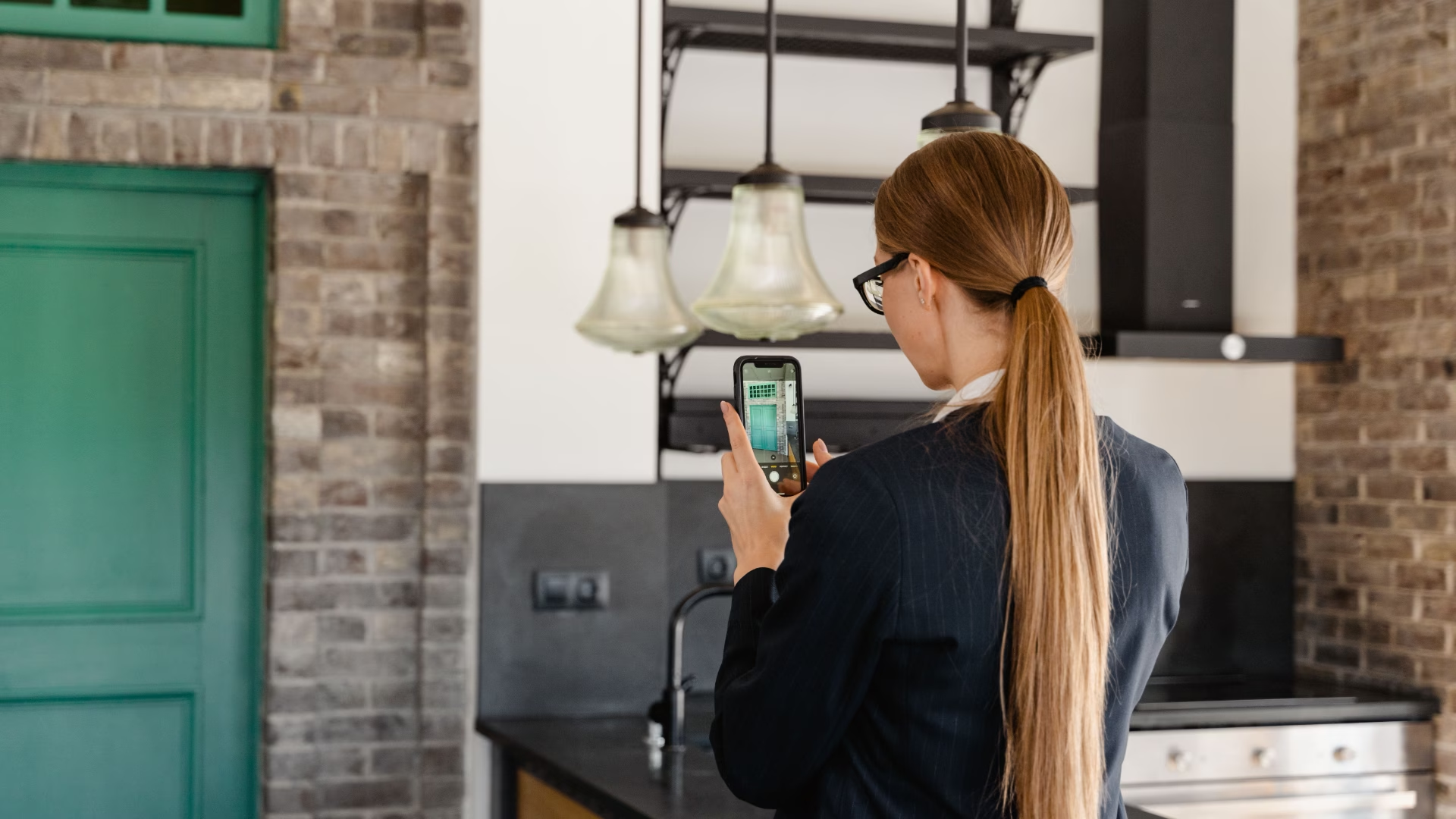
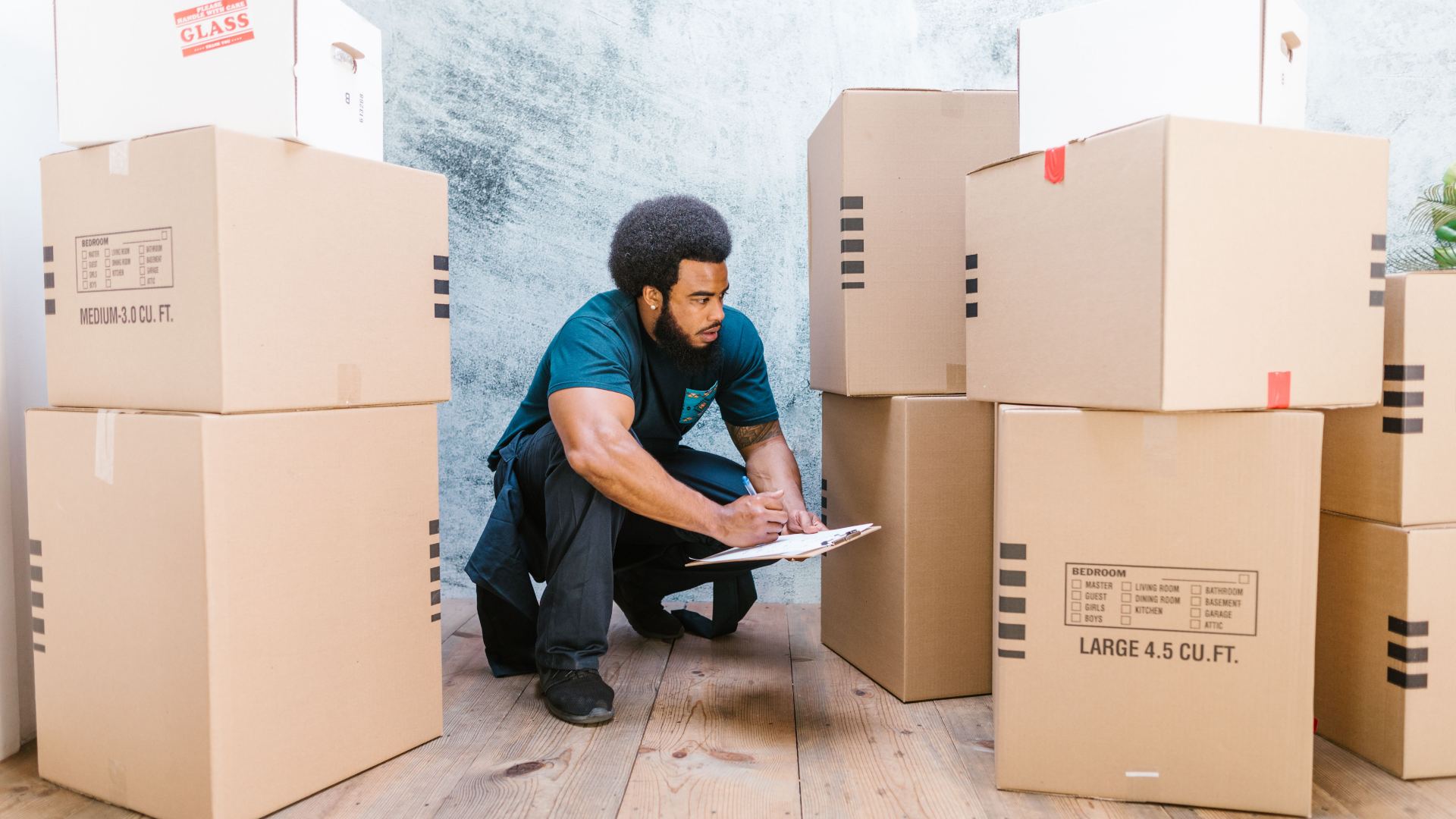
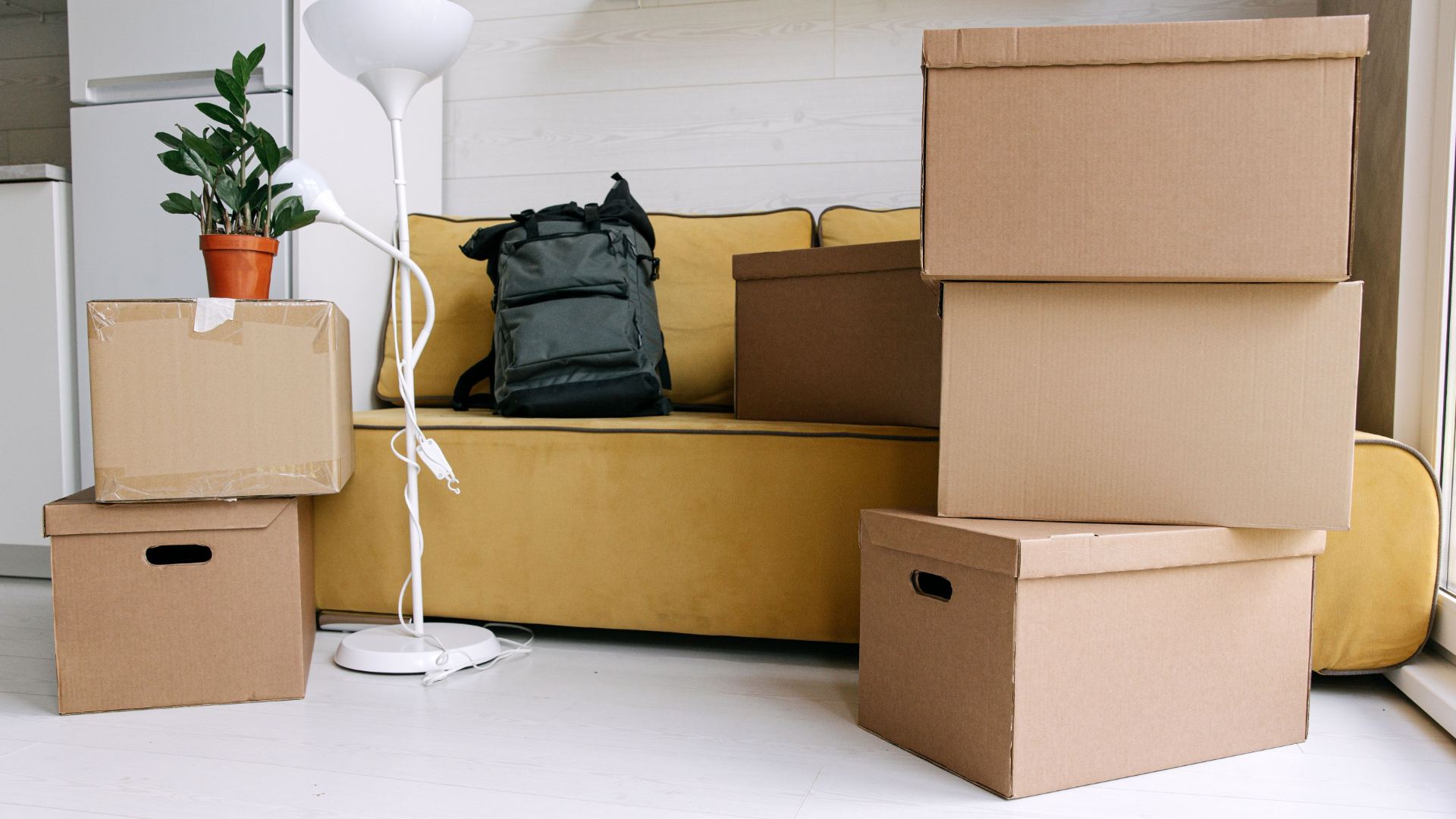
Take photos of what you’re putting in the unit. Record serial numbers for electronics and keep receipts or other proof of purchase for valuable belongings. A simple list organized by box or unit can make it easier to show what you owned if you ever need to file a claim.
Save a digital copy somewhere other than the storage unit, and update it when you add or remove items.
Choose a Facility That Fits What You’re Storing
Look for controlled access, good lighting, surveillance, fire detection, and signs of regular pest control. For furniture, artwork, musical instruments, and electronics, consider whether climate-controlled storage is worth the extra cost.
Read the rental agreement and keep a copy with your insurance documents. The facility’s security features can reduce risk, but they don’t replace insurance.
If Something Happens, Document It Promptly
If you discover damage or a break-in, take photos before moving or discarding anything. Notify the storage facility and contact local police if you suspect theft or vandalism. Then contact your insurer and ask what to do next.
Key Takeaways
- Renters insurance may cover belongings in a storage unit, but a lower off-premises limit may apply. Some policies use a percentage of your personal property limit; others set a different cap.
- Coverage usually applies only when a loss is caused by a covered event. Theft or fire may be covered, while flood, pests, or gradual moisture damage may be excluded.
- Separate limits can apply to valuables such as jewelry, firearms, or collectibles—even when the overall storage limit is higher.
- If your policy doesn’t provide enough protection, ask your insurer about raising the limit, scheduling valuables, or buying a separate storage policy.
The insurer may ask for your policy details, the date and cause of the loss, an inventory, proof of ownership, and a police report if one was made. Your payment will depend on your policy’s coverage limit, any special limits, and your deductible.
Renters insurance may cover belongings in a storage unit, though lower off-premises limits, special limits for valuables, and exclusions may apply. Check your policy, inventory your belongings, and compare extra coverage options if the limit isn’t enough.