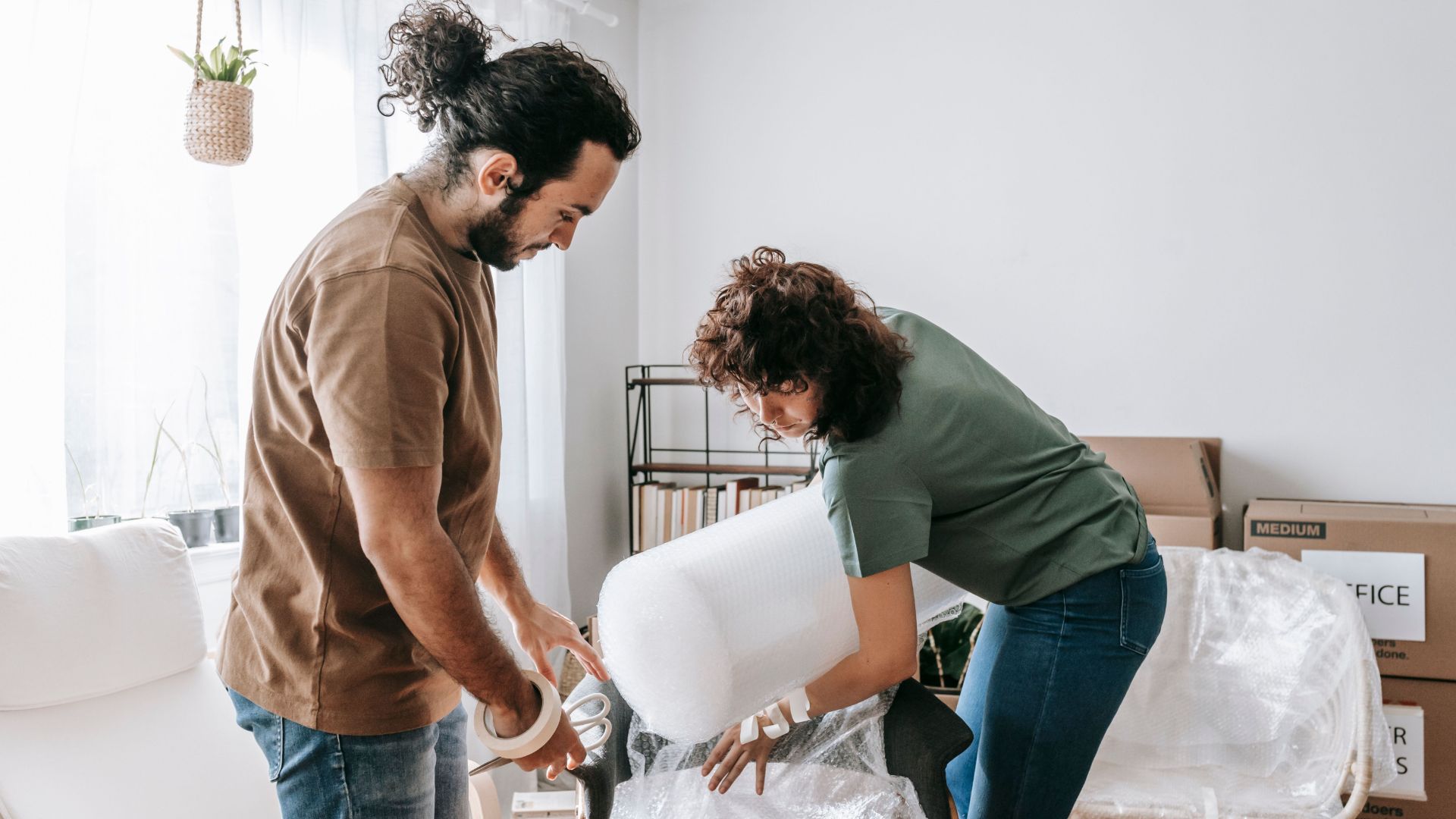
Moving into your own place for the first time is exciting, and also a lot of logistics all at once: furniture, budgeting, utilities, and a hundred small decisions you didn't know you'd have to make. Here's a clear rundown to get you from empty apartment to actual home without the overwhelm.
Start With a Plan, Not a Shopping Spree
Before you buy anything, get organized:
- Build a room-by-room checklist so you know what you actually need versus what just looks nice online.
- Label boxes by room before you pack them, future-you unpacking at 9 p.m. will be grateful.
- Get rid of anything you don't actually use anymore, moving is the easiest excuse to declutter you'll get all year.
- Focus on essential furniture first. You don't need a fully decorated apartment on day one, you need a functional one.
Setting a Realistic Budget
It's easy to get swept up furnishing an empty apartment all at once. You don't have to, most of what makes an apartment feel finished can be added gradually as you settle in and see what you actually need. Start by estimating costs for the big-ticket items: a bed and mattress, a couch, a dining table, a dresser, kitchen appliances, and bathroom basics. Add it up before you buy, not after. Budget stores like Target and Walmart carry solid, affordable options if you're not trying to furnish the place all at once.
Furniture, Room by Room
You don't need everything on move-in day, start with the essentials in each room and build from there. One caution if you're buying furniture secondhand: inspect it closely for bed bugs before it comes anywhere near your apartment. It's a much easier problem to avoid than to fix.
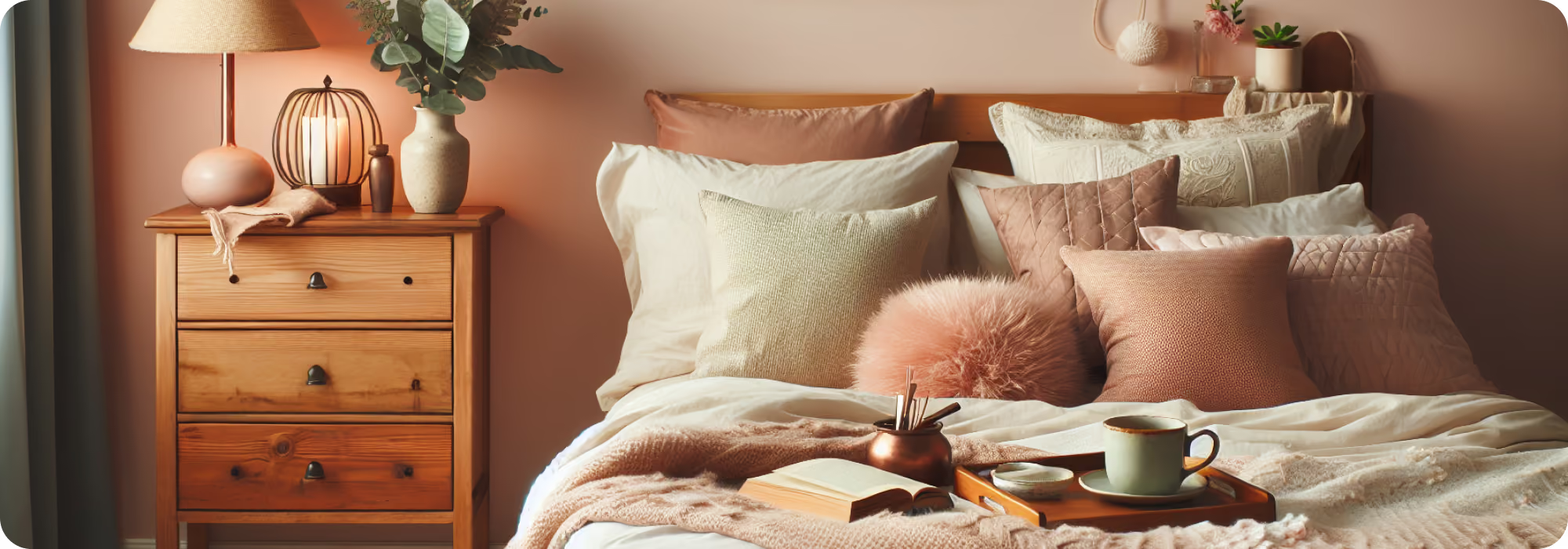
Bedroom: a solid mattress, a sturdy bed frame, a dresser, and a bedside table cover the basics. Measure your space before buying anything, and grab window coverings before your first night, privacy shouldn't be an afterthought.
Living room: seating, a coffee table, and something for a TV or projector setup are the core pieces. If your space is small, look for furniture that does double duty (storage ottomans, nesting tables) rather than cramming in separate pieces for everything.
Dining area: a table and chairs sized to your actual space, not your dream apartment. Folding or expandable tables are worth considering in a tight space, and durable, easy-to-clean materials like solid wood or melamine hold up better to daily use.
Setting Up the Kitchen
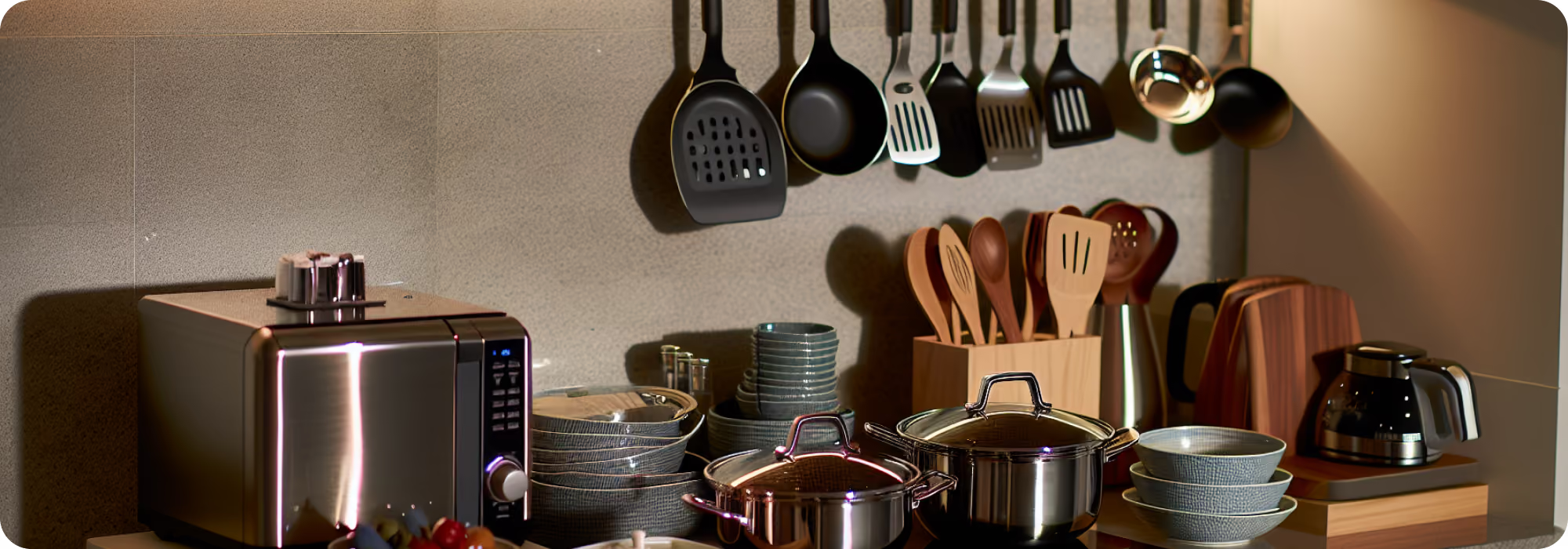
Cookware and bakeware: you don't need a full set on day one, just solid basics: a couple of pots and pans and a baking sheet or two. Stainless steel is a safe, durable default if you're not sure what to buy.
Small appliances: a microwave, toaster, and coffee maker cover most people's daily routine and make cooking (and reheating) dramatically easier. Buy based on how you actually cook, not how you imagine you might cook someday.
Storage: food containers, measuring cups, and a utensil holder go a long way toward keeping a small kitchen from feeling chaotic. Pick a material (plastic, glass, stainless) based on what you'll actually use consistently.
For a deeper list, check out our top kitchen essentials guide.
Bathroom Basics
A shower curtain and liner, a bathmat, and a solid towel supply cover the essentials for hygiene and comfort. Shower shelves or a caddy help keep things organized instead of cluttering the edge of the tub. Round it out with the small stuff: soap, a toothbrush holder, a toilet brush, and maybe a towel rail or soap dispenser if you want the space to feel a little more finished.
Cleaning Supplies
A broom, mop, and vacuum suited to your specific flooring cover your basic cleaning tools. For products, surface cleaner, dish soap, and laundry detergent are the non-negotiables, everything else can be added as you figure out what your space actually needs.
Safety Essentials
Don't skip this section. Stock a first aid kit with band-aids, pain relievers, and antiseptic wipes, and take a few minutes to actually know how to use what's in it (a basic first aid course is worth considering if you've never taken one). Make sure your apartment has working smoke detectors and, if you have any gas appliances, a carbon monoxide detector, most states legally require landlords to provide these, but it's worth confirming they're installed and functional the day you move in rather than assuming. A basic fire extinguisher in the kitchen is a smart addition too.
Saving Money Without Sacrificing Comfort
Furnishing a first apartment doesn't have to wreck your budget. Secondhand furniture and appliances, from online marketplaces, local listings, or garage sales, can save real money, just inspect everything carefully before bringing it home. Discount and thrift stores are also worth a look for kitchen basics and decor; a tight budget doesn't mean a bare apartment.
Getting Utilities Set Up Before You Arrive
Handle this before move-in day, not after. Research internet and TV providers in your area and get service scheduled in advance. Contact your electricity, water, and gas providers early too, so everything's live and working the moment you walk in, rather than spending your first night in the dark figuring out who to call.
Making Move-In Day Actually Manageable
Before the move: declutter your current place, and pack by room so unpacking has an obvious order to it.
On move-in day itself:
- Set up the essential rooms first, kitchen and bathroom, so you can function immediately even if the rest of the apartment is still in boxes.
- Use color-coded labels so movers (or you, at 11 p.m., exhausted) know exactly where each box belongs.
- Keep a small toolkit within reach, a screwdriver, hammer, and tape measure will get used more than you'd expect on day one.
The Bottom Line
Your first apartment doesn't need to be fully put together on day one, it just needs to function. Handle the essentials, budget deliberately, get your utilities sorted ahead of time, and let the rest come together as you actually live in the space and figure out what it needs.
Prioritize and organize moving tasks, set a strict budget, and start with essential furniture and appliances to avoid overspending and clutter. Measure space and consider functionality when picking furniture for the bedroom, living room, and dining area; opt for essential kitchenware and storage to make cooking and organization straightforward. Ensure home safety with a stocked first aid kit and functional detectors, use discount stores and second-hand items to save money, and set up utilities in advance for a comfortable move-in.