.avif)
Top Summer Energy Saving Tips to Keep Your Home Cool and Affordable
Keeping your home cool all summer doesn't have to mean a painful energy bill. A combination of smart habits, a few upgrades, and some strategic timing can cut cooling costs significantly without sacrificing comfort.
Start With an Energy Audit
Before making changes, figure out where your energy is actually going. Look at your energy bill to understand what's driving costs, cooling systems and insulation are usually the biggest factors in summer. A basic home energy audit can flag drafts, poor insulation, and inefficient appliances so you know where to focus first.
Get More Out of Your Cooling System
- Adjust fan speeds and maintain your system. Regular maintenance, clean filters, clear coils, keeps your AC running efficiently.
- Use ceiling fans and whole-house fans to circulate air and reduce reliance on air conditioning. Set ceiling fans to spin counterclockwise in summer, this pushes air down and creates a cooling breeze, letting you raise the thermostat a few degrees without losing comfort. Turn fans off when you leave a room since they cool people, not empty space.
- Consider your system's size and efficiency when choosing or upgrading equipment. Alternatives like evaporative coolers can be a good fit in dry climates.
Block the Heat Before It Gets In
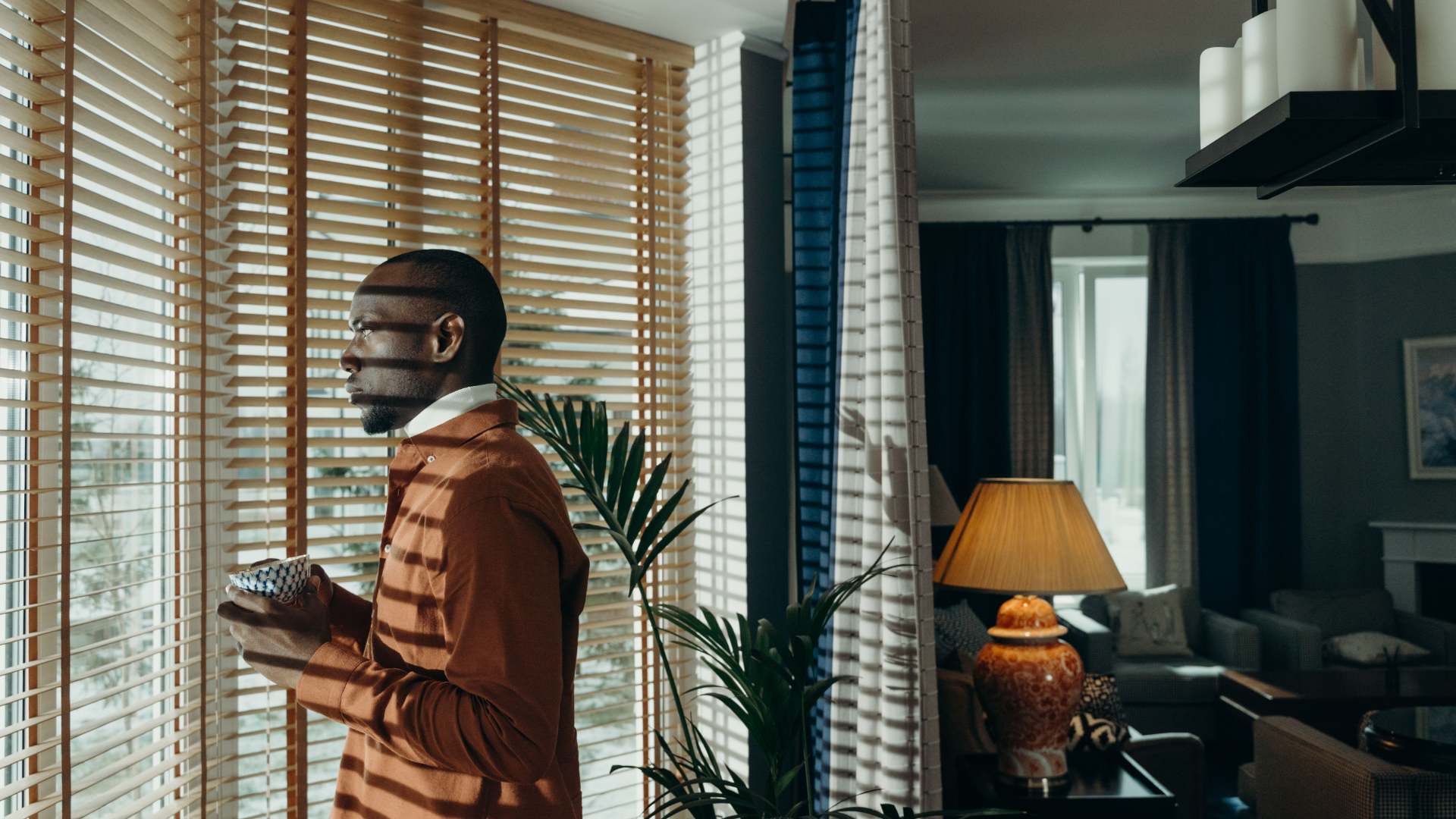
Window treatments make a bigger difference than most people expect. Closing blinds or curtains during the hottest part of the day blocks direct sunlight and prevents indoor temperatures from climbing. Awnings, overhangs, solar screens, and window films all reduce heat gain further, and material, color, and opacity all affect how much heat a treatment blocks.
Proper insulation keeps that blocked heat from seeping in anyway. Choose insulation based on R-value, durability, and cost, and consider advanced options like radiant barrier insulation for extra efficiency. Pair insulation with good ventilation, attic fans and whole-house ventilation systems help push warm air back out.
Use Smart Home Technology to Automate the Work
Smart thermostats learn your schedule and adjust automatically, cooling your home before you're back and easing off while you're away. Smart ceiling fans and automated window coverings extend that same automation: schedule blinds to close during peak sun hours, or control fan speeds remotely without walking room to room.
Real-time energy monitoring is one of the more useful smart home features. Many systems flag unusual usage or alert you if a window's been left open, catching waste you might not notice otherwise. Retrofitting an existing home with smart thermostats, fans, and shades is usually straightforward and can meaningfully cut both costs and daily hassle.
Time Your Appliance Use
Appliances that generate heat, ovens, dryers, dishwashers, add to your cooling load when run during the hottest part of the day. Shifting these tasks to early morning or evening keeps your kitchen and home cooler and reduces how hard your AC has to work. Cooking outside on especially hot days, or simply using the range less during peak heat, has the same effect.
Landscaping and Outdoor Strategies
Strategic tree placement and garden design can shade your home directly, reducing heat gain before it ever reaches your windows or walls. Outdoor shading like umbrellas and canopies extend cool space outside too. Choose plants suited to your climate and soil to keep maintenance and water use reasonable, and consider rain barrels or other water-saving tools to keep those costs down as well.
Lighting and Electronics
LED bulbs use less energy and generate less heat than older bulbs, a small but real factor in summer cooling loads. Choosing electronics with lower energy consumption helps too, and power strips that cut standby power on devices you're not using add up over a full season.
Budgeting for Summer Energy Costs
Estimating your summer energy costs ahead of time, and tracking them with a budgeting app or simple spreadsheet, makes bills more predictable rather than a surprise each month. Some utility companies offer prepaid or flexible billing options that can help smooth out costs during peak season.
Take Advantage of Incentives and Rebates
Utility companies and government agencies frequently offer rebates for energy-efficient upgrades, from smart thermostats to insulation to Energy Star appliances. Eligibility and application steps vary, so it's worth checking your utility's website or a program like the Database of State Incentives for Renewables & Efficiency (DSIRE) before making a big purchase.
Small DIY Projects Worth Doing
Simple projects, sealing drafts around windows and doors, adding weatherstripping, or installing a radiant barrier in the attic, can meaningfully improve efficiency without professional help. Pick projects that match your skill level and budget, and lean on tutorials for anything unfamiliar.
The Bottom Line
Staying cool this summer doesn't require an all-or-nothing approach. Combining a few structural upgrades, smarter appliance timing, and consistent daily habits, closing blinds at peak heat, running fans the right direction, maintaining your system, adds up to real savings without sacrificing comfort.
Looking for easy ways to stay cool without blowing up your energy bill? This guide shares 10 renter-friendly tips to keep your home comfortable during the summer heat. From smart thermostat settings to blackout curtains and small lifestyle shifts, these practical hacks can help you beat the heat and lower your electric costs—all without permanent changes or expensive upgrades. Whether you live in a studio apartment or a shared rental, these energy-saving ideas are designed to work for you.