
The moving process is one of the most stressful moments in a resident's journey—and one of the most important opportunities for your team. Every interaction, from lease signing to the first week in a new apartment, shapes a resident's first impression of your community.
When move-ins are well organized, residents feel welcomed, informed, and confident they made the right decision. When details are missed, small frustrations can quickly overshadow the excitement of moving into a new home.
The good news is that creating a great move-in experience doesn't require reinventing your process. It requires consistency.
A standardized move-in checklist helps leasing consultants, maintenance teams, assistant managers, and property managers stay aligned, reduce last-minute surprises, and create a resident experience that supports satisfaction long after move-in day.
Start Preparing Before Move-In Day
The move-in experience starts weeks before the moving truck arrives.
Once an application has been approved and the lease has been signed, your team has an opportunity to eliminate many of the issues that commonly create stress on move-in day. The more preparation completed ahead of time, the smoother the experience becomes for both residents and staff.
Start by confirming the basics:
- Signed lease
- Identity verification and screening
- Move-in date and time
- Required payments
- Utility setup requirements
- Renters insurance requirements
Keeping this information in one centralized location ensures leasing, maintenance, and management are all working from the same information instead of relying on scattered emails or handwritten notes.
Digital resident platforms can make this process even easier by organizing communications and reducing repetitive questions from future residents.
Coordinate Maintenance Early
Nothing undermines a great first impression faster than discovering maintenance issues immediately after moving in.
Several days before move-in, verify that:
- Turn work has been completed
- Smoke and carbon monoxide detectors are working
- Locks have been rekeyed
- Appliances are functioning properly
- HVAC has been tested
- Plumbing fixtures are working correctly
Whenever possible, establish an internal "unit ready" deadline at least 48 hours before move-in. That extra time provides a buffer for unexpected repairs without creating unnecessary stress on move-in day.
Keep Resident Communication Simple
Moving involves dozens of decisions, appointments, and deadlines. Residents don't need another confusing email added to the list.
Instead, send one organized communication that includes:
- Utility provider information
- Internet setup instructions
- Parking details
- Elevator reservation information (if applicable)
- Office hours
- Emergency contact information
- Required payments
- What to expect on move-in day
Clear communication reduces uncertainty while also decreasing the number of last-minute phone calls your office receives.
Make Sure the Apartment Is Truly Ready
A clean apartment is only part of a successful move-in.
Residents notice the details.
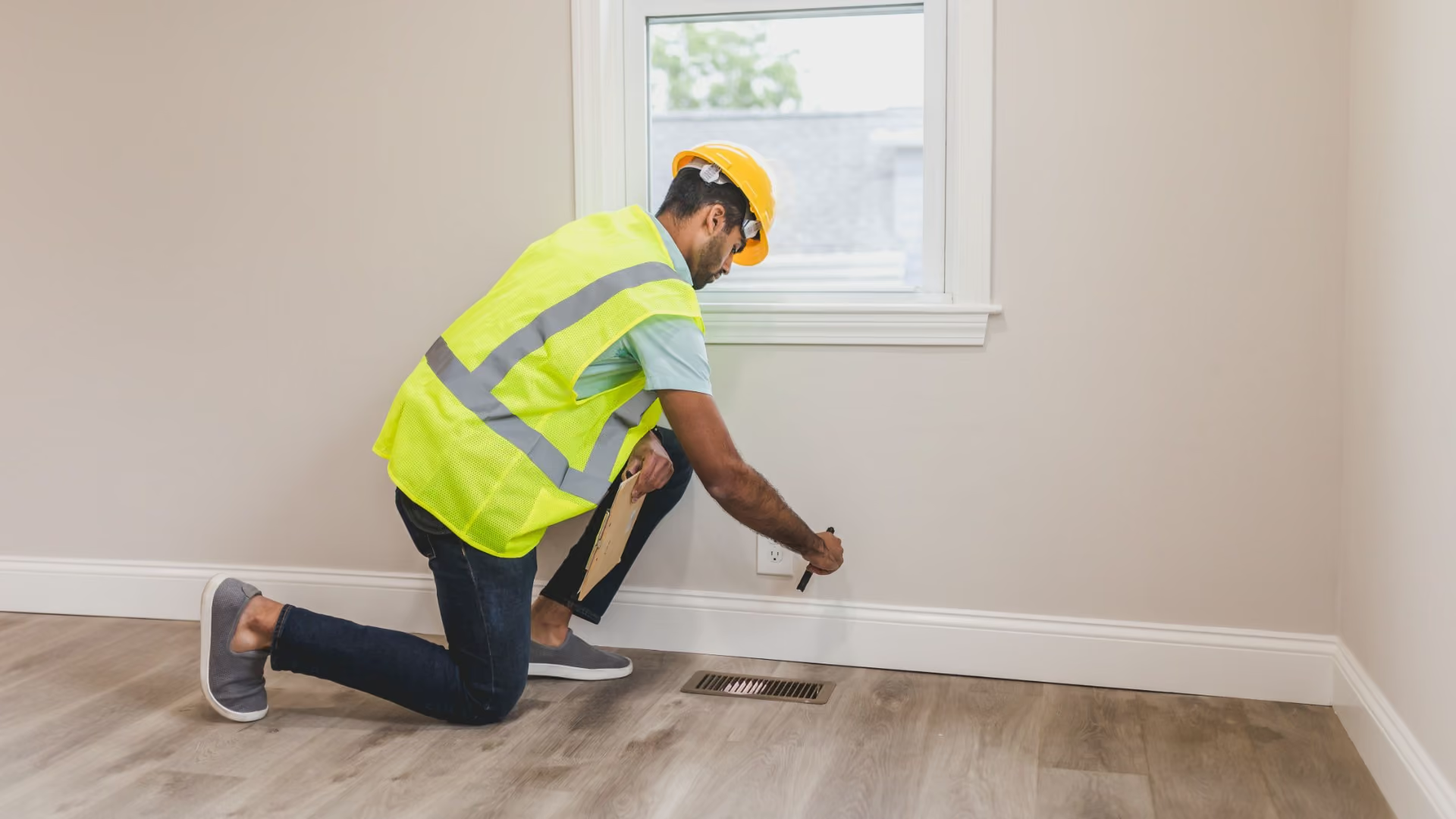
Before handing over the keys, complete one final walkthrough as though you were moving into the apartment yourself.
Check that:
- Every light fixture works
- Appliances operate correctly
- Blinds and hardware function properly
- Windows are clean
- Water runs properly
- Doors and locks work smoothly
Small issues may seem insignificant, but they often become the first maintenance requests—and first impressions.
Documentation is equally important.
Take date-stamped photos or videos of every room and record any existing cosmetic wear before residents move in. Thorough documentation protects both your team and your residents and helps prevent disagreements during move-out.
Before residents arrive, prepare everything they'll need, including:
- Keys and access fobs
- Mailbox information
- Parking permits
- Community maps
- Trash and recycling guidelines
- Emergency contact numbers
- Community information
Being fully prepared communicates professionalism and helps residents feel welcomed from the moment they arrive.
Move-In Day: Keep It Clear and Welcoming
Move-in day can feel hectic for everyone involved.
Residents are coordinating movers, family members, pets, elevators, and countless boxes. They're unlikely to remember a lengthy orientation covering every community policy.
Instead, focus on the information they'll actually need during their first few days.
Begin by confirming:
- Government-issued identification
- Outstanding balances
- Keys and access devices
- Parking permits
- Move-in paperwork
Then walk residents through the essentials:
- How to submit maintenance requests
- Package delivery procedures
- Amenity access
- Wi-Fi information
- Emergency maintenance contacts
Whenever possible, provide digital resources residents can reference later instead of expecting them to remember every detail.
Many communities now use resident apps to centralize important information, making it easy for residents to find answers without calling the leasing office.
Before residents leave the office, encourage them to complete a move-in condition form within the first 24 hours. This helps document any pre-existing cosmetic issues and establishes transparency from the beginning.

Don't Stop After the Keys Are Handed Over
Many communities consider move-in complete once residents have their keys.
The strongest resident experiences begin after that moment.
The first week is one of the best opportunities to build trust and demonstrate responsiveness.
Within 24 to 48 hours, send a brief text or email asking how everything is going.
Keep it simple:
"How's your move going? Let us know if there's anything we can help with."
Include direct links for maintenance requests or resident support so residents can easily report any issues.
Around one week after move-in, check in again.
This follow-up is an opportunity to:
- Answer questions
- Highlight community amenities
- Share upcoming resident events
- Remind residents about online payments and resident tools
- Gather feedback
These small touchpoints show residents your team is invested in their experience—not just their lease signing.
Turn Your Checklist Into a Team Playbook
The best move-in checklists aren't documents that sit in a binder.
They're part of your team's daily operations.
Every leasing consultant, maintenance technician, assistant manager, and property manager should understand their responsibilities before, during, and after every move-in.
Assign clear ownership throughout the process:
- Leasing manages communication and paperwork.
- Maintenance prepares and inspects the apartment.
- Management completes final approval before keys are released.
Shared digital task lists make it easy for everyone to see what's complete, what's outstanding, and who's responsible for each task.
Standardized templates also save time.
Instead of recreating welcome emails, move-in packets, or follow-up messages for every resident, create reusable templates your team can personalize when needed.
Consistency becomes especially valuable during peak leasing seasons when multiple move-ins happen every week.
Technology Can Help Everyone Feel More Prepared
Move-in season doesn't have to rely on spreadsheets, printed packets, or constant phone calls.
Resident-facing technology can simplify communication by giving residents one place to:
- Access move-in instructions
- View important documents
- Submit maintenance requests
- Make payments
- Contact the leasing office
- Learn about community amenities
For on-site teams, that means fewer repetitive questions and more time focused on creating exceptional resident experiences.
When residents know where to find information, everyone spends less time searching for answers and more time enjoying the excitement of moving into a new home.
A Great Move-In Creates the Foundation for Renewal
Renewal conversations don't begin when a lease is about to expire.
They begin the day residents move in.
Every proactive update, every well-prepared apartment, and every thoughtful follow-up helps build trust that lasts throughout the lease.
A standardized move-in checklist doesn't just reduce stress for your team—it creates happier residents, stronger online reviews, and a better foundation for resident retention.
Move-in day may only last a few hours, but the experience you create can influence how residents feel about your community for months—or even years—to come.
-1920x1080.jpg)

-1920x1080.jpg)