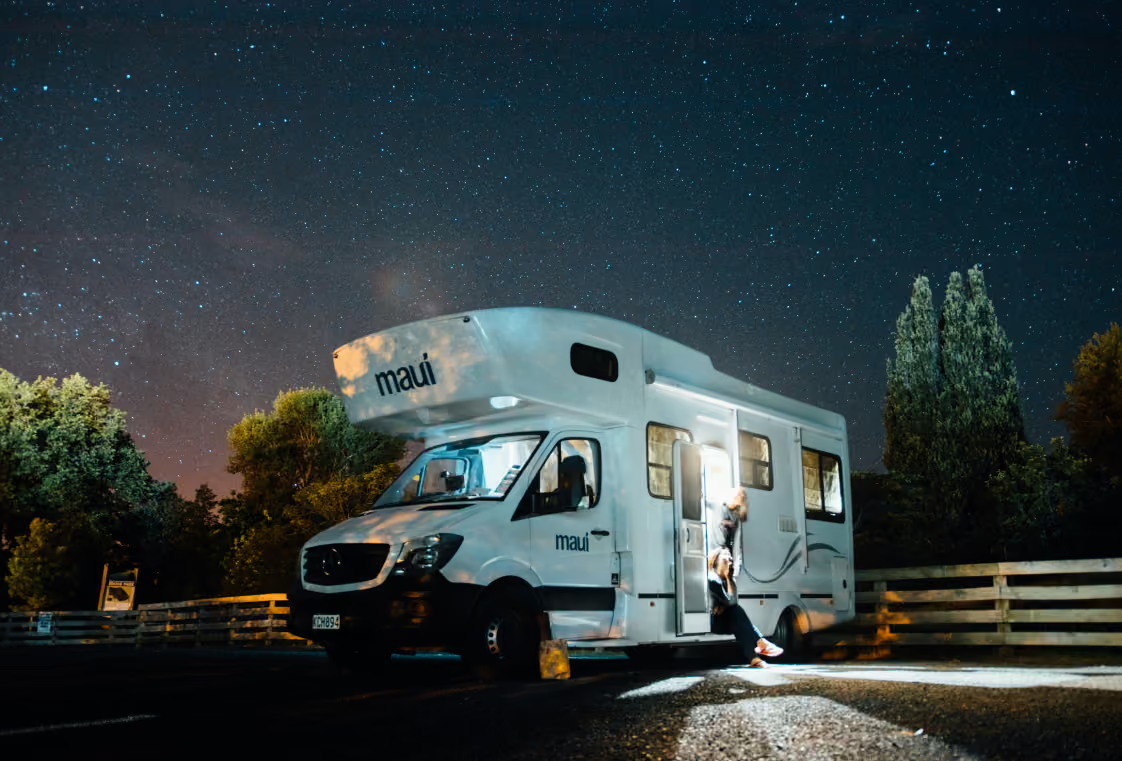
Life on the road is all freedom and good views, until a flat tire, a fender bender, or a freak hailstorm reminds you that the open road doesn't care about your plans. RV insurance is the thing that keeps a bad afternoon from turning into a financial disaster, so you can get back to the part of RV life that's actually fun.
Why RVs Need Their Own Policy
Your RV is part vehicle, part home, and probably your most Instagram-worthy investment. That combination is exactly why it needs its own coverage instead of relying on standard auto insurance. RV insurance protects against the things that actually happen on the road: accidents, theft (RVs are a real target, not just a hypothetical one), storm and wildfire damage, and the occasional act of vandalism from someone who apparently just wants to watch the world burn, or at least key your paint job.
Motorhome or Travel Trailer? It Changes Your Policy
Not all RVs are insured the same way, and knowing which category yours falls into matters when you're shopping for coverage.
- Motorhome insurance covers RVs with their own engine, think Class A, B, and C motorhomes. Since these are self-propelled, most states treat them like any other vehicle and require at least liability coverage.
- Travel trailer insurance covers RVs that get towed by another vehicle. Liability isn't always required by law here since the trailer itself doesn't drive, but skipping coverage still leaves your investment exposed.
The Coverages You Actually Need
A few coverages are close to non-negotiable if you want real protection, not just a piece of paper:
- Liability coverage — covers the other person if you cause an accident that damages their property or injures them.
- Collision coverage — pays to repair or replace your RV after an accident, regardless of who's at fault.
- Comprehensive coverage — covers non-collision damage: theft, vandalism, storms, fire, even animal strikes, which matters more than you'd think since RVs often sit parked in remote spots.
- Emergency expense coverage — helps cover lodging and transportation if your RV breaks down and leaves you stranded mid-trip.
- Vacation liability coverage — protects you if someone's injured or their stuff gets damaged while you're parked at a campsite using your RV as a temporary home.
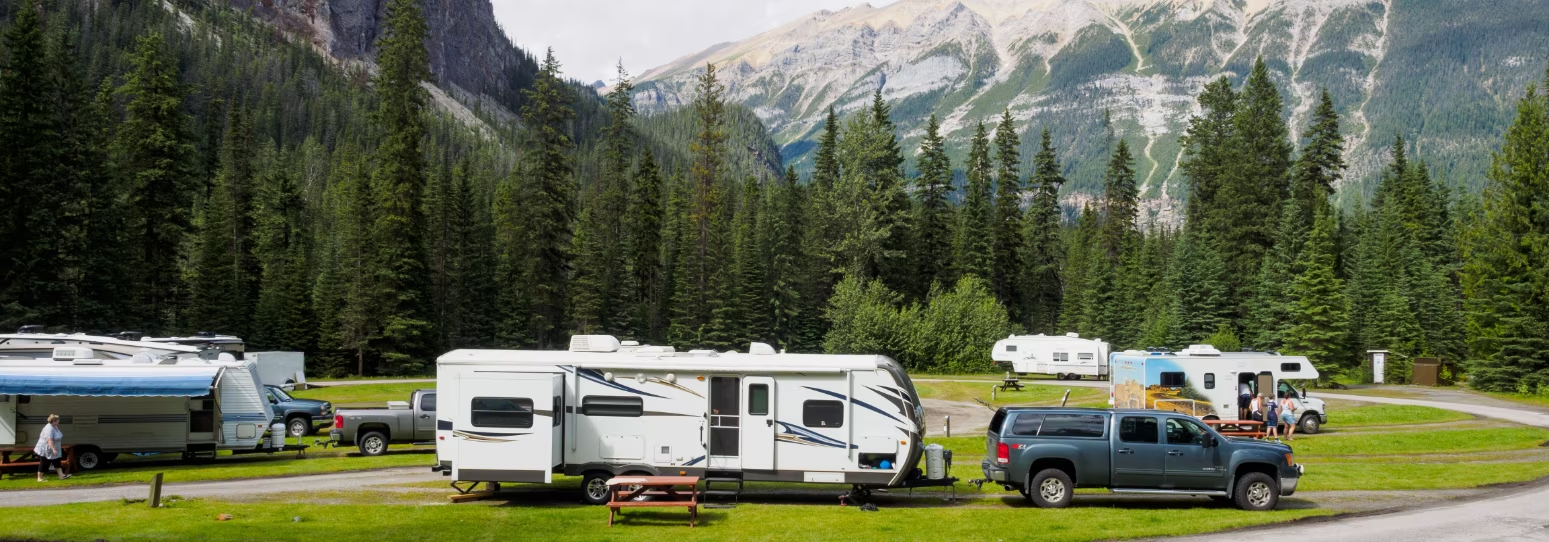
Worth Considering: Extra Coverage
Once the essentials are covered, a few add-ons are worth a look depending on how you use your rig:
- Total loss replacement — if your RV is totaled within its first few model years, you get a brand-new replacement instead of a depreciated payout.
- Custom RV coverage — protects aftermarket upgrades and modifications that a standard policy won't cover.
- 24/7 roadside assistance — because dead batteries and flat tires have impeccably bad timing.
- Full-timer coverage — if you live in your RV year-round rather than just vacationing in it, this adds homeowner-style protections, including loss of use, that a standard policy doesn't include (InsuredBetter).
Ways to Actually Bring the Cost Down
Insurance adds up, but there are real ways to knock the price down:
- Safe driver discounts — a clean driving record is rewarded almost everywhere.
- Multi-policy discounts — bundle your RV coverage with home or auto insurance for a better rate.
- Paying in full — some insurers knock a bit off the premium if you skip the monthly billing.
- Raising your deductible — a higher deductible usually means a lower monthly payment, just make sure you could actually cover it if you needed to file a claim.
Know Your State's Requirements
RV insurance requirements vary by state, and most states require at least a minimum amount of liability coverage for self-propelled RVs. Towable trailers are sometimes exempt from mandatory coverage, but that doesn't mean skipping it is a good idea. Check your state's specific rules before you assume you're covered, or not.
Comparing Quotes the Right Way
When you're shopping around, make sure you're comparing apples to apples: matching coverage levels, limits, and deductibles across every quote. Two policies with wildly different prices often aren't actually offering the same protection, so read the fine print before deciding based on price alone.
Don't Forget What's Inside
Your RV insurance can extend beyond the vehicle itself. Personal belongings like laptops, cameras, and camping gear can often be covered too, so if you're loaded up with gear, ask your insurer about adding this protection rather than assuming it's automatically included.
Make the Policy Actually Fit How You Use Your RV
The right policy looks different for a weekend camper than it does for someone living in their RV full-time. Think honestly about how you actually use yours, occasional trips, long seasonal stays, or full-time living, and build your coverage around that instead of a generic template.
The Bottom Line
RV insurance isn't just a box to check, it's what lets you actually relax on the road instead of white-knuckling every storm forecast or campground parking spot. Do a little homework, get coverage that matches how you really use your RV, and hit the road knowing you're covered no matter what the trip throws at you.
Understanding and securing comprehensive RV insurance coverage is crucial for protecting your investment and ensuring peace of mind on the road.

.avif)