
Here's a fun fact nobody mentions at the phone store: you might already be covered. Between the carrier add-on you clicked "yes" to at checkout, your renters policy sitting quietly in the background, and whatever warranty came with the box, you could be paying for the same protection three separate times. None of these three overlap perfectly, which means you're either double-covered in some places or dangerously uncovered in others. Let's sort out what each layer actually does, and where a stand-alone plan fits into the picture.
The Quick Version
- Renters insurance covers theft, not clumsiness. It'll pay out if your phone's stolen, but drop it in the toilet and you're on your own — and a $500 deductible makes a single-phone claim a bad trade anyway.
- Carrier add-ons run $7–$26/month per line. Over a two-year phone cycle, that adds up to real money for coverage you might never use.
- Your warranty covers manufacturer defects only — not drops, spills, loss, or theft. It's doing less than most people assume.
- Stand-alone plans (like Homebody) cover your whole household under one price, usually beating what you'd pay per line through a carrier.
- Before your next bill hits, do three things: check your phone bill for add-ons, check your renters policy's limits, and get a quote from an independent provider.
Three Layers of Coverage, One Confusing Bill
Phone protection breaks down into three separate jobs, each with a different scope:
- Manufacturer's warranty — Covers defects and hardware failure under normal use. Usually lasts 12 months. No drops, spills, loss, or theft.
- Phone insurance (carrier or third-party) — Covers accidental damage, loss, theft, and post-warranty mechanical failure. You pay a monthly premium plus a deductible per claim.
- Protection plan / independent device protection — Often covers multiple devices under one plan, with broader claim options and fees scaled to the device's value rather than a flat rate.
Knowing your phone's actual replacement cost — not what you paid, what it'd cost today — is the number that makes every decision after this one easier.
What You're Actually Paying Your Carrier
Most people accept the insurance offer at checkout and never revisit it. Here's what that's costing, line by line:
- T-Mobile Protection 360® — $7–$26/month per device, depending on device tier
- AT&T Mobile Protection Pack — $12/month per phone (AT&T Protect Advantage adds loss and theft coverage on top)
- Verizon Wireless Phone Protection — $6.75/month per eligible device
Most plans cap you at two or three claims a year, though accidental damage claims — a cracked screen, liquid damage — are often unlimited. Loss and theft claims are usually capped tighter: Protection 360® allows up to five a year, Samsung Premium Care allows three, AppleCare+ covers two accidental-damage incidents total.
Filing a claim, if you get there, usually goes like this: submit online or by phone, wait a few days for approval, and get a replacement — often refurbished — shipped overnight once it's confirmed. You'll pay a deductible on top of your monthly premium: $29–$49 for a screen repair, up to $249 for a full replacement. Loss and theft claims may require suspending your line while the claim processes, which is its own inconvenience if the phone is your main way of staying reachable.
What's not covered: normal wear and tear, cosmetic damage, and anything intentional. It's also worth knowing that upgrading to a new phone can quietly bump you into a pricier coverage tier, and sales tax applies on top of the monthly fee regardless.
The honest trade-off: convenience and fast turnaround, against the fact that you can pay premiums for years and never file a claim — all while your renters policy might already be covering some of the same ground for free.

What Your Renters Policy Actually Covers
Renters insurance protects your personal property — including your phone — against specific events: theft, fire, vandalism, and sometimes theft that happens away from home. What it almost never covers is accidental damage, and "mysterious disappearance" (you have no idea where it went) is typically excluded outright, no matter how good your story is.
Here's the math that trips people up: say you own a $1,200 phone and your renters policy carries a $500 deductible. If it's stolen, you're reimbursed $700 after the deductible — and filing the claim might nudge your premium up at renewal. Compare that to a stand-alone device plan with a $99 service fee and a replacement in days, not weeks.
A few premium credit cards also offer secondary phone protection if you pay your bill with that card, but the limits, deductibles, and excluded causes vary enough that it's worth reading the fine print rather than assuming you're covered.
Before assuming your renters policy has your back, check:
- Your personal property coverage limit, and whether high-value electronics are capped separately
- Your deductible relative to the phone's actual value
- Whether off-premises theft or loss counts as a covered scenario
- Whether accidental damage is excluded (it usually is)
- How filing a claim might affect your future rate
Carrier Insurance vs. a Stand-Alone Plan Like Homebody
This is where the "paying three times" problem shows up most clearly: a carrier plan on every line, a renters policy, and a manufacturer warranty, all covering overlapping ground with none of them talking to each other. A stand-alone plan can often replace the carrier add-on entirely. Homebody, for example, covers every smartphone in your household under one plan — starting at $12.99/month for phones alone, or $21.99/month if you want tablets and laptops included too. Cancel anytime, no long-term contract.
Run the numbers on a family of three:
- Carrier insurance at $16/month per line × 3 lines = $576/year
- Homebody Mobile covering all three = about $156/year
- Even after service fees on two claims across the year, the independent plan still comes out ahead
Coverage follows the device and the person, not the phone number, which matters if you switch carriers or move often. Renters insurance stays useful as the backstop for the bigger stuff — fire, burglary, liability — while a dedicated plan closes the everyday gaps carriers and renters policies both leave open: drops, spills, loss.
So, Do You Actually Need Phone Insurance?
Not everyone does. If your phone cost $300 and you could cover a replacement out of pocket without much thought, monthly premiums probably aren't earning their keep.
Ask yourself:
- What did the phone cost, and what would it cost to replace today?
- Have you actually damaged, lost, or had a phone stolen before?
- Is your renters deductible higher than the phone's value?
- Do you already have overlapping coverage through a credit card or AppleCare+?
- Is this phone your main tool for work or income?
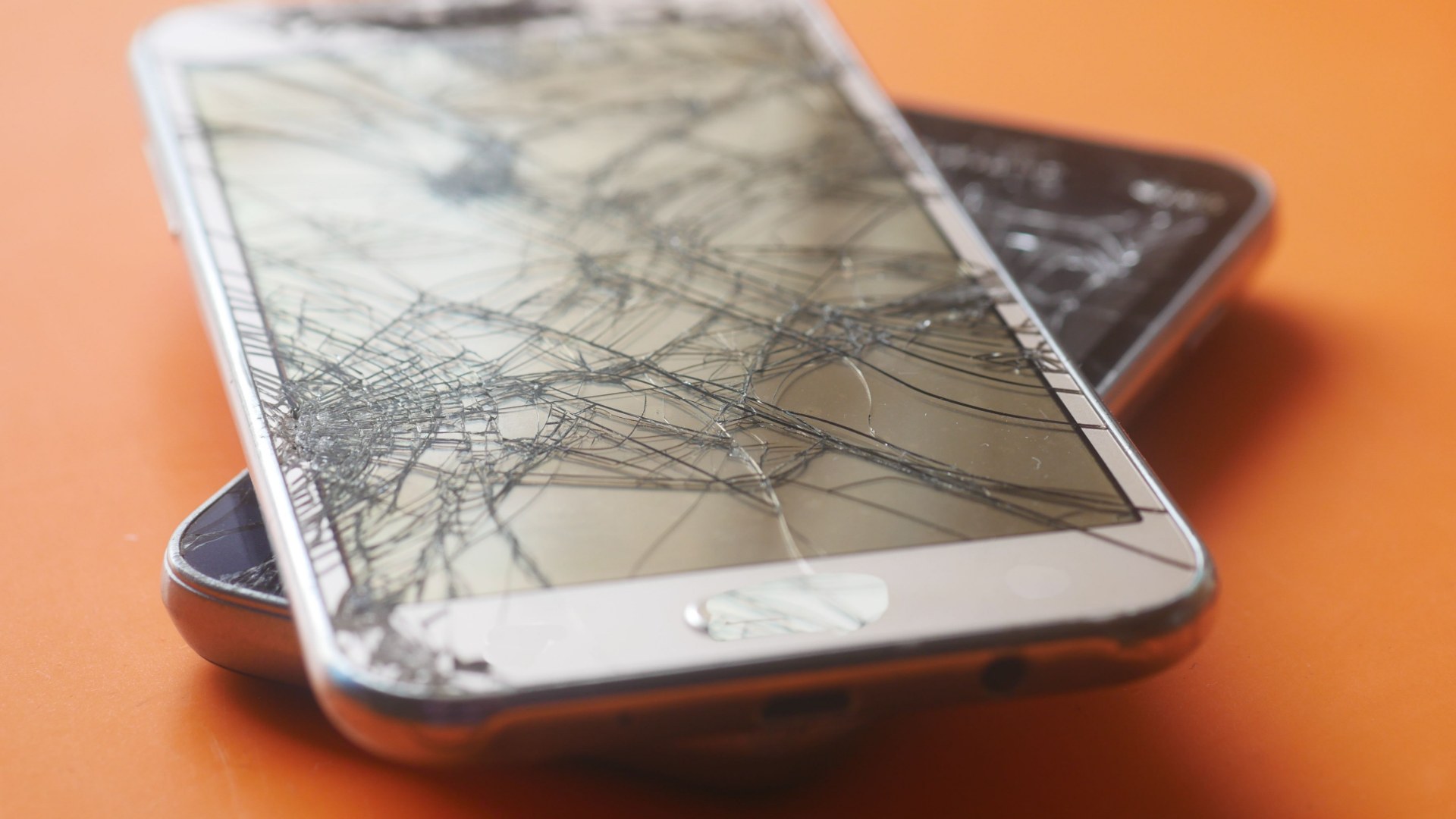
The two-year math: Carrier insurance at $16/month for 24 months runs $384. Add one screen repair ($99) and one theft deductible ($249), and you're at $732 total. A stand-alone plan at roughly $13/month for the same period, plus similar service fees, lands closer to $660. Paying out of pocket for a single refurbished replacement might run $700 — so insurance earns its cost if you expect at least one real incident over two years.
Who tends to benefit most:
- Students on a tight budget often do fine with just a renters policy and careful handling
- Remote workers whose phone is their livelihood benefit from fast, guaranteed replacement
- Families with teens — where devices get dropped, lost, and occasionally swum with — save the most through multi-device plans
Next step: pull up your phone bill and find the add-on charge. Check your renters policy's deductible and limits. Get a quote from a stand-alone provider before your next billing cycle closes. Then decide — keep, switch, or drop.
Frequently Asked Questions
Does renters insurance cover my phone if it's lost or stolen away from home?
Often yes for theft — but "mysterious disappearance" and simple loss are usually excluded. You'll need a police report, the claim can take weeks, and filing may raise your premium, which often makes it not worth it for a single device.
Can I cancel carrier phone insurance if I switch to a stand-alone plan?
Yes, usually effective the next billing cycle. Get your new plan active first so you're not left with a coverage gap in between. Re-enrolling with your carrier later may come with conditions or higher fees.
Is a manufacturer's warranty enough on its own?
No. Plans like AppleCare+ or Samsung Care+ extend warranty coverage and add limited accidental damage protection, but they generally skip loss and theft entirely.
Do credit cards really cover my phone?
Some do, if you pay your bill with that card — but limits and exclusions vary widely, and it's usually secondary coverage. Worth checking, not worth relying on as your only plan.
How fast can I actually get a replacement?
Many carrier and stand-alone plans ship a replacement in 1–2 business days, with same-day screen repairs available in some cases. Renters insurance claims typically take longer — days to weeks, plus paperwork.
Carrier phone insurance, renters coverage, and manufacturer warranties often overlap. Here's what each one covers and how to avoid paying for the same protection three times.
.avif)