Picture yourself in 2030, turning the key in the lock of your first home. It feels like a cinematic moment, but the "behind-the-scenes" work is happening right now. Every rent check you write isn’t just keeping a roof over your head today; it’s the foundation for the house you’ll own tomorrow.
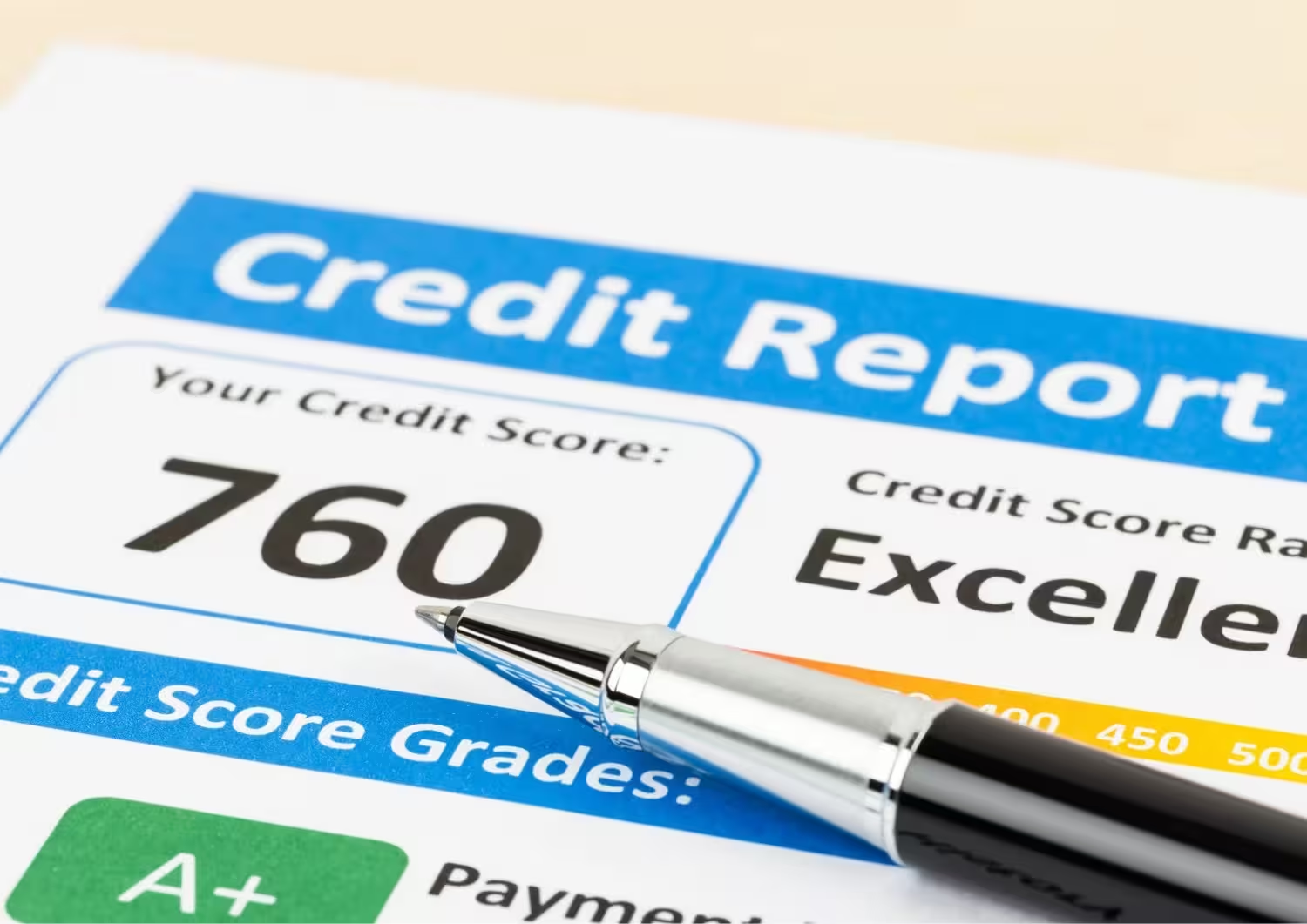
Your credit score—that mysterious three-digit number between 300 and 850—is essentially your financial reputation. For renters, it's the ultimate gatekeeper. It dictates whether you qualify for a mortgage and, more importantly, how much extra "interest tax" you’ll pay over 30 years.
If rising rents make homeownership feel like a pipe dream, take a breath. The years you spend renting aren't "waiting time"—they are building time. Here is how to turn your lease into a launchpad.
The Anatomy of Your Score (And Why It Matters)
Most lenders use FICO Scores to decide if you’re a safe bet. While there are several factors involved, two heavy hitters control 65% of your score. If you focus on these, the rest usually follows:

Hack the System: Make Your Rent Count
Here’s a frustrating truth: traditionally, rent payments don't show up on your credit report. You can pay $2,000 a month for a decade, and the credit bureaus won’t bat an eye. However, you can change the rules of the game.
Rent-reporting services can bridge this gap. By verifying your payments through your bank or landlord, these services report your data to bureaus like TransUnion or Equifax.
- The Strategy: Start rent reporting by mid-2026. By the time you apply for a mortgage in 2028, you'll have 24 months of "housing reliability" documented in black and white.
- The To-Do: Ask your property manager if they already offer this, or look into third-party services that report to all three major bureaus.
Be Your Own Auditor
Federal law grants you access to free weekly credit reports from Experian, Equifax, and TransUnion via AnnualCreditReport.com.
Don’t just download them and let them sit in your "Downloads" folder. Review them with a "future homebuyer" lens. Look for errors, late payments you don't recognize, or accounts you never opened. If you find a mistake, dispute it immediately. Checking your own credit doesn't hurt your score, so make it a habit—January and July are great times for a "financial physical."
4 Habits for a Homebuyer-Ready Score
If you want to look like a dream candidate to a mortgage lender, start practicing these habits now:
- The 30% Rule: Keep your credit card balances below 30% of your limit. If you want "Extra Credit" (pun intended), aim for under 10%.
- Automate Everything: A single late payment can haunt your report for seven years. Don't leave it to memory; set up auto-pay for at least the minimum.
- Keep Old Accounts Open: That dusty credit card from college? Don't close it. The longer your average account age, the better you look to lenders.
- Cool It on New Debt: Avoid opening new credit lines 6–12 months before you plan to buy. Lenders like to see stability, not a sudden flurry of new plastic.

The Finish Line: Beyond the Score
Your score is the star of the show, but lenders also look at your Debt-to-Income (DTI) ratio. While you’re building your score, use these renting years to pay down student or auto loans.
Your credit score isn’t a grade on your life; it’s a story you are rewriting every month. From your first lease to your final mortgage signature, you’re in control.
While the road to homeownership often leads to questions, the answers are simpler than they appear. The most important realization for any renter is that housing reliability doesn't count toward your financial reputation automatically; you must be proactive by using a reporting service to ensure your consistency is documented.
As you move within two years of your target purchase date, transition from annual credit checkups to a "financial physical" every three to four months. This frequency ensures you stay ahead of errors and can dispute them before they impact your mortgage application.
Even if your score is lower than you'd like today, remember that credit is dynamic. Most lenders look for patterns rather than perfection—eighteen months of focused effort can completely rewrite your story from a rejection to a mortgage approval.
To keep that progress stable, aim to freeze all new credit applications at least a year before you plan to buy. You want your report to look "boring" and predictable when a loan officer sees it. Ultimately, the journey depends on your specific starting point and your ability to identify the primary hurdle standing between you and that 740+ target.
Turn your years of renting into a financial launchpad by using rent-reporting services and mastering credit habits like the 30% utilization rule. By focusing on on-time payments and consistent credit audits now, you can build the 740+ score necessary to ditch the "interest tax" and secure your first home by 2030.