What Is Identity Theft and How Can You Prevent It?
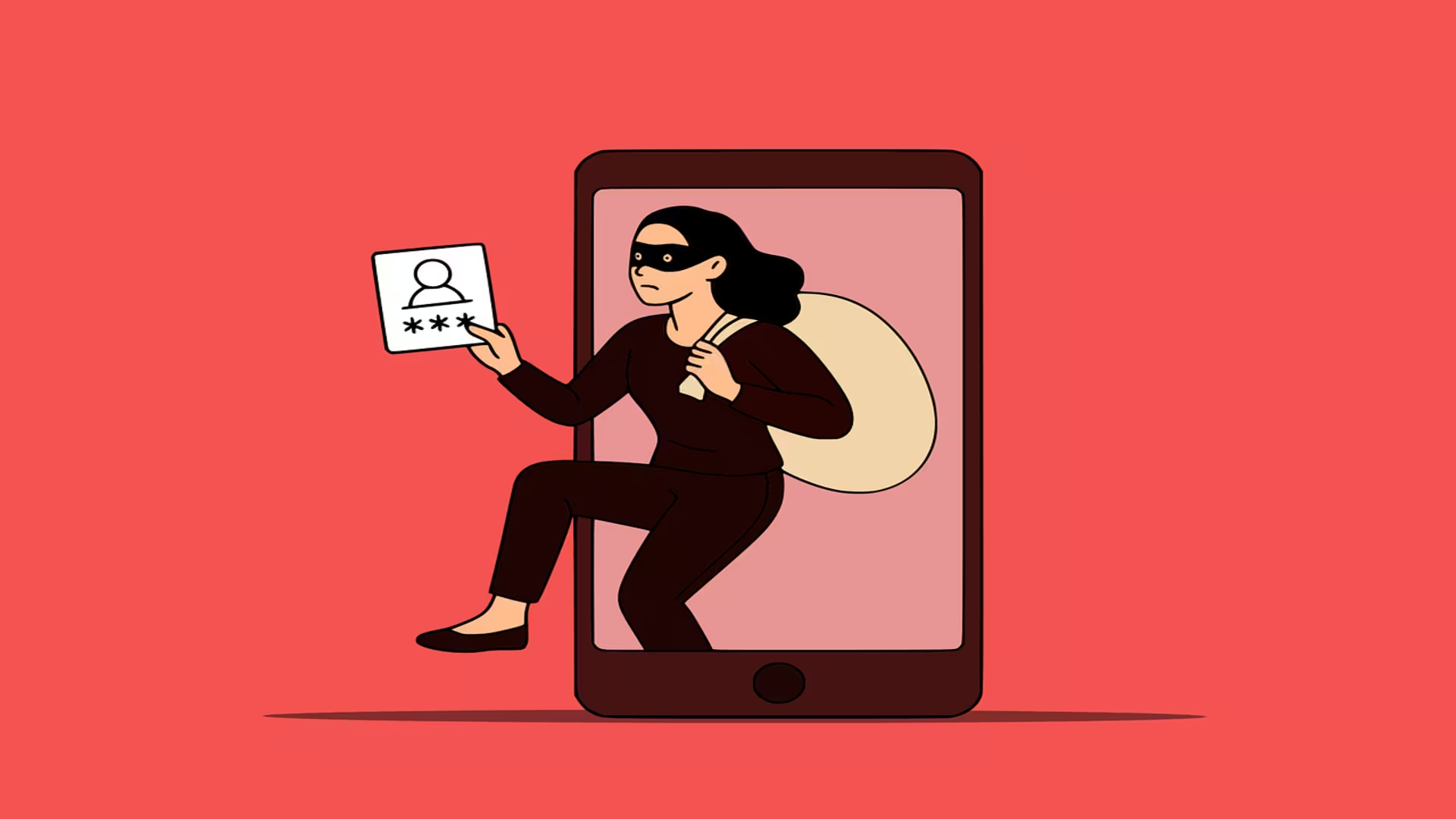
Identity theft happens when someone steals your personal or financial information and uses it without your consent. It can affect anyone, and reports of it have climbed steadily in recent years. Here's what it looks like, the warning signs to watch for, and what to do if it happens to you.
What Counts as Identity Theft?
Identity theft involves the misuse of information like:
- Your Social Security number
- Your driver's license or other ID number
- Bank account or routing numbers
- Your date of birth
- Security question answers or account passwords
A thief might use stolen banking credentials to drain an account directly, or use your personal information to open a loan in your name and disappear, leaving you responsible for the debt.
How Do Thieves Get Your Information?
A few common methods:
- Physical theft. A stolen wallet or phone can hand over enough information to start building a fuller picture of your identity.
- Malware. Viruses installed on your computer can quietly pull financial records, saved passwords, and other sensitive data.
- Data breaches. Attacks on companies and credit agencies can expose the personal information of millions of people at once.
- Public Wi-Fi. Unsecured networks make it easier for someone to intercept your data while you're connected.
Even a single piece of information can be enough to build toward something bigger, so thieves often start small.
What Are the Main Types of Identity Theft?
- Financial identity theft: Using your information to steal money or open credit in your name.
- Criminal identity theft: Using your identity to commit a crime, such as fraud, under your name.
- Synthetic identity theft: Combining real personal information with fabricated details to create an entirely new, hard-to-trace identity.
- Child identity theft: Using a child's information to open accounts or take out loans, since children are especially vulnerable and often unaware anything has happened until years later.
What Are the Warning Signs?
There's no way to prevent identity theft with total certainty, but a few red flags are worth watching for:
- Unfamiliar charges on your bank statements or credit reports, especially from an unfamiliar merchant or location
- Bills or collection notices for debts you never took out
- Unexplained drops in your credit score, which can signal new credit lines opened without your knowledge
- Changes to your account settings or passwords that you didn't make
What Should You Do If Your Identity Is Stolen?
Acting quickly limits the damage. Here's the sequence to follow:
- File a report. Report the theft to the Federal Trade Commission at IdentityTheft.gov, and notify your banks, credit unions, and any other affected institutions.
- Contact all three credit bureaus. Experian, Equifax, and TransUnion each need to be notified individually. Ask about placing a credit freeze, which prevents new credit from being opened in your name until you lift it.
- Cancel compromised accounts. Close any credit cards or accounts that may have been accessed, and reopen new ones once things are secured.
- Change your passwords. Update passwords on any account that may be at risk, especially if you've reused the same password across multiple accounts.
- Monitor your records. Keep an eye on your credit reports and bank statements in the months that follow to confirm the situation is fully resolved.
How Can You Prevent Identity Theft?
- Carry only what you need. Leave your Social Security card at home unless you specifically need it, and keep close track of your phone and wallet.
- Switch to paperless billing. This reduces the amount of sensitive financial mail sitting in your mailbox, a common target for theft.
- Check your credit reports annually. You're entitled to a free report each year from each major bureau. Review them for anything unfamiliar, and report discrepancies right away.
- Be cautious with personal information. Avoid sharing sensitive details unless it's necessary, particularly over email.
- Use strong, unique passwords. A password manager can help you maintain different, complex passwords across accounts without having to memorize them all.
- Learn to recognize scams. Phishing emails and phone calls impersonating banks or government agencies are common tactics. If something feels off, it's fine to hang up, ask questions, or simply not respond.
The Bottom Line
Identity theft can happen to anyone, but knowing the warning signs and having a plan ready makes a real difference in how much damage it can do. A little prevention now, plus knowing exactly what steps to take if something goes wrong, goes a long way toward keeping your finances protected.
This Homebody comprehensive guide discusses the importance of preventing identity theft and advises securing your financial and personal data. It explains how identity thieves can obtain your personal information, identity theft warning signs, what to do if you become a victim, and preventative actions, including using strong passwords and being aware of common scam techniques.