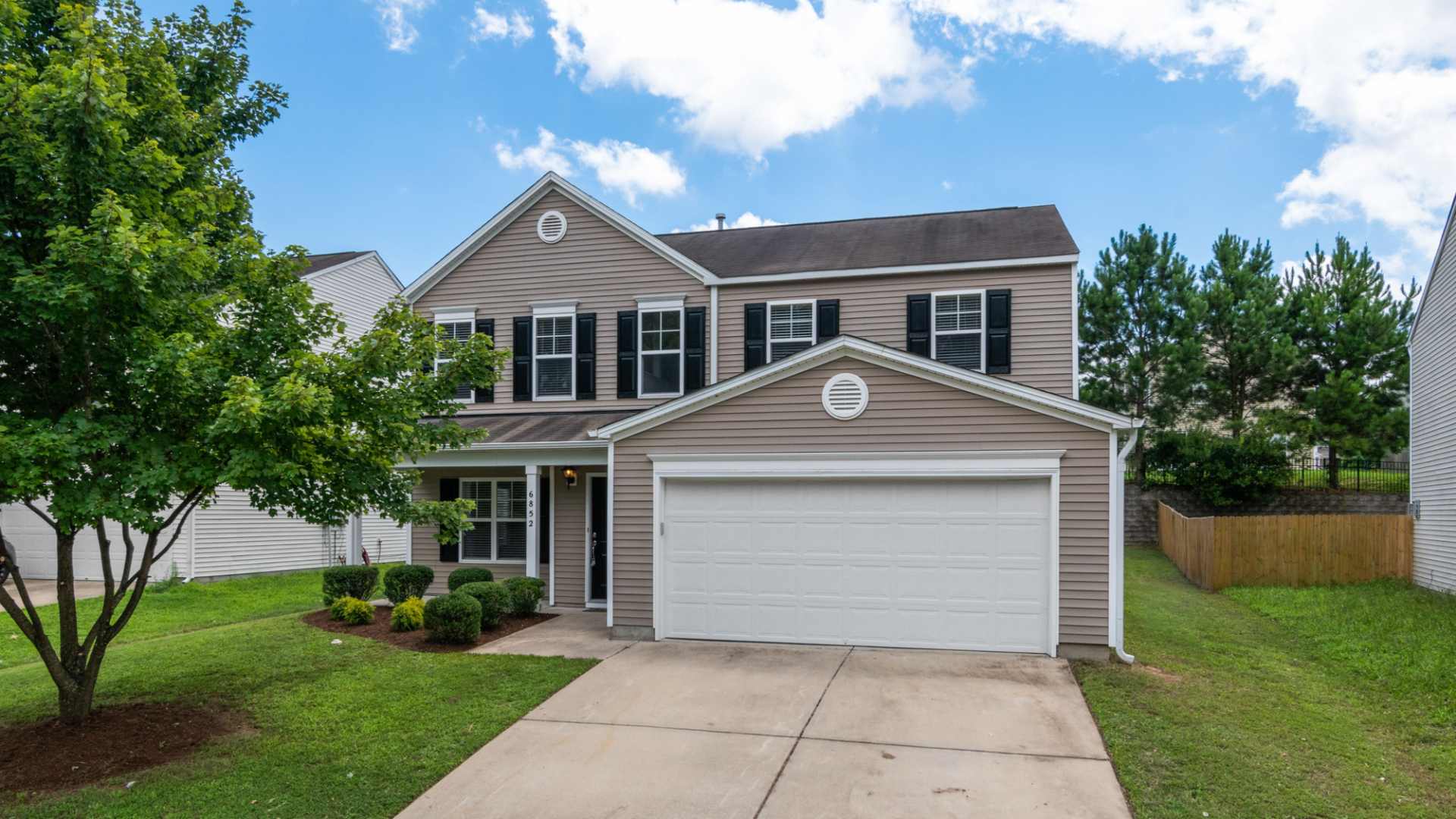
The core difference is simple: homeowners insurance covers the structure you own plus your belongings and liability, while renters insurance only covers your belongings and liability, since your landlord already insures the building itself. Here's how each one actually works.
What Does Homeowners Insurance Cover?
Homeowners insurance protects the physical structure of your home, other structures on your property like a garage or shed, your personal belongings inside, and your liability if someone is injured on your property or you damage someone else's.
It typically breaks down into three parts:
- Dwelling coverage: Protects your home's structure from events like fire, windstorms, or hail.
- Personal property coverage: Covers the replacement of your belongings, furniture, electronics, clothing, inside the home.
- Liability coverage: Helps with costs if someone is injured on your property (a dog bite, for example) or you damage someone else's property.
Premiums vary based on your home's value, location, and the coverage limits you choose.
What Does Renters Insurance Cover?
A common misconception among renters is that the landlord's insurance covers everything. It doesn't. Landlord insurance typically only covers the building itself, not your belongings or your liability. That gap is exactly what renters insurance fills.
It covers two core areas:
- Personal property coverage: If your laptop is stolen or your belongings are damaged (not just from natural disasters, but from things like theft or accidents too), this coverage helps replace them.
- Personal liability coverage: If your bathtub overflows and damages your neighbor's apartment, this coverage helps pay for the resulting damage.
Renters insurance is generally very affordable, often just a few dollars a month, making it one of the easiest ways to protect what you own.

Who's Responsible for What?
If you're a renter: your lease typically makes your landlord responsible for insuring the building. What their policy doesn't cover, your belongings and your liability, is on you to insure separately.
If you're a homeowner: you own the property and everything in it, so your stakes are higher. Homeowners insurance covers your structure and belongings against events like windstorms, hail, fire, and theft, plus liability for injuries on your property and damage to home systems like HVAC. If you own a condo instead of a single-family home, you'll want condo insurance instead, since the coverage structure is different.
How to Decide What You Actually Need
Ask yourself three questions:
- Who owns the property? Renters insure their belongings; owners insure the structure and belongings both.
- What would it cost to replace what you own? If the honest answer is "more than I'd want to pay out of pocket," you need coverage.
- What's your liability exposure? If someone were injured in your home, could you cover medical bills or legal fees without insurance?
Both renters and homeowners face real financial risk without coverage. Paying for protection now is almost always cheaper than paying for consequences later.
Ways to Lower Your Premium
Choosing the right policy doesn't mean overpaying for it. A few ways to bring the cost down without cutting coverage:
- Increase your deductible
- Bundle policies (like renters or home insurance with auto)
- Install safety devices, like smoke detectors or security systems
The Bottom Line
Homeowners insurance and renters insurance solve different problems: one protects a structure you own, the other protects what you own inside someone else's structure. Knowing which situation you're in makes the choice straightforward, and knowing what's actually in the policy keeps you from assuming you're covered when you're not.
Whether you rent or own your home, choosing the right insurance isn't just about safeguarding your property and belongings, but also about making sure your hard-earned money is put to good use. And this doesn't mean you have to compromise on coverage. There are ways to lower your premiums without leaving yourself exposed.

.avif)